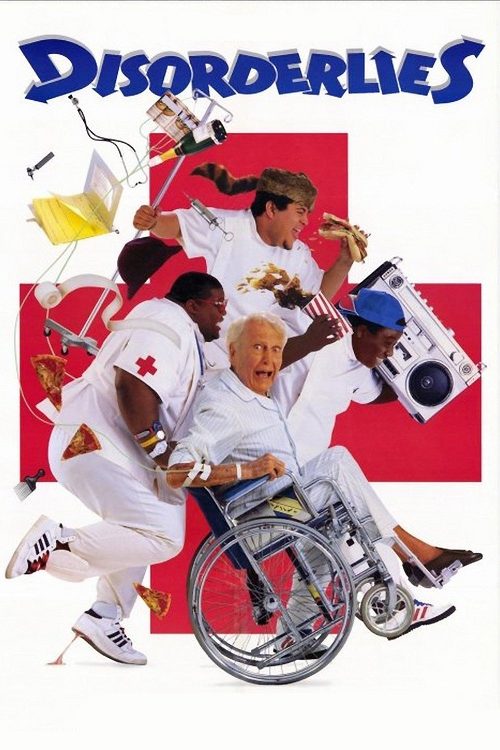
About Disorderlies
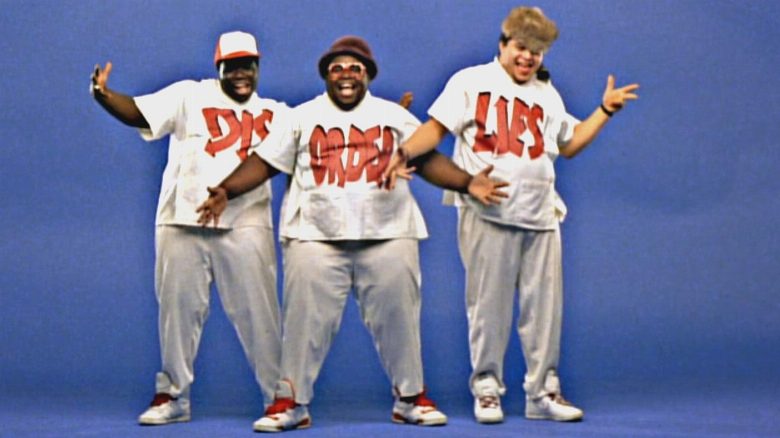
As not-quite-orderlies who're downright Disorderlies, rap-music favorites The Fat Boys rule. Playing the freewheeling caretakers of the frail Dennison, they stir up a comedic culture clash in Palm Beach society that only proves laughter is the best medicine this side of a tax refund.
The intersection of hip-hop culture and slapstick cinema remains one of the most eccentric footnotes of eighties American film, and few projects exemplify this collision quite like Disorderlies. While contemporary audiences might associate the rise of rap-infused movies with more gritty dramas, this particular production leans heavily into the fish-out-of-water tropes that defined the decade. By casting the iconic trio known as The Fat Boys as bumbling healthcare assistants, the film creates a deliberate friction between the burgeoning urban music scene of the era and the stifling, affluent atmosphere of Florida retirement living. It serves as a time capsule of a period when music acts were frequently thrust into leading roles to capitalize on their chart-topping popularity, resulting in a unique brand of chaotic energy that prioritizes personality over polished narrative structure.
Much like the vibrant ensemble-driven comedies often found in the landscape of modern Indian cinema, where star power is frequently used to bridge disparate worlds, this movie relies entirely on the infectious chemistry of its leads. The premise centers on the trio taking charge of a wealthy but ailing gentleman, an arrangement that naturally invites the kind of comedic friction that has become a staple in cross-cultural humor. Viewers who enjoy nostalgia-heavy eighties aesthetics or those who appreciate the historical evolution of musical icons transitioning onto the silver screen will find the most to enjoy here. It avoids the heavy-handedness of traditional satires, opting instead for a lighthearted romp that highlights the contrast between traditional high-society etiquette and the irreverent, rhythmic sensibilities of its protagonists.
Directed by Michael Schultz, who was already well-versed in blending musical elements with popular entertainment, the film functions as a quintessential product of its time. It is positioned as a showcase for the physical comedy talents of its cast rather than a rigorous study of character development. For those interested in the history of pop culture crossovers, this title stands as a clear precursor to the era when music industry influence became a dominant force in mainstream entertainment. It is a light, breezy experience that ignores the complexities of its premise to focus on the sheer absurdity of the situation, making it an ideal watch for those who prefer their comedy to be loud, colorful, and unapologetically grounded in the spirit of the mid-eighties.
Cast(16)