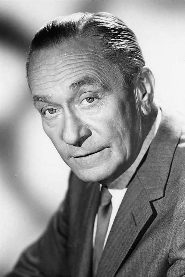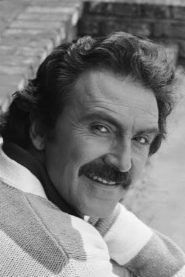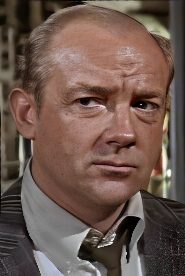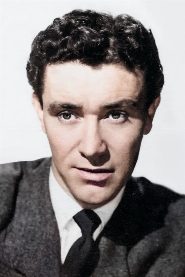
Don't Be Afraid of the Dark(1973)
About Don't Be Afraid of the Dark
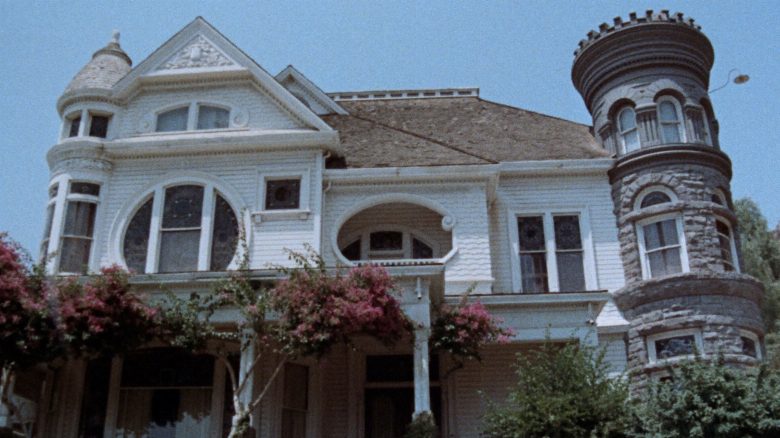
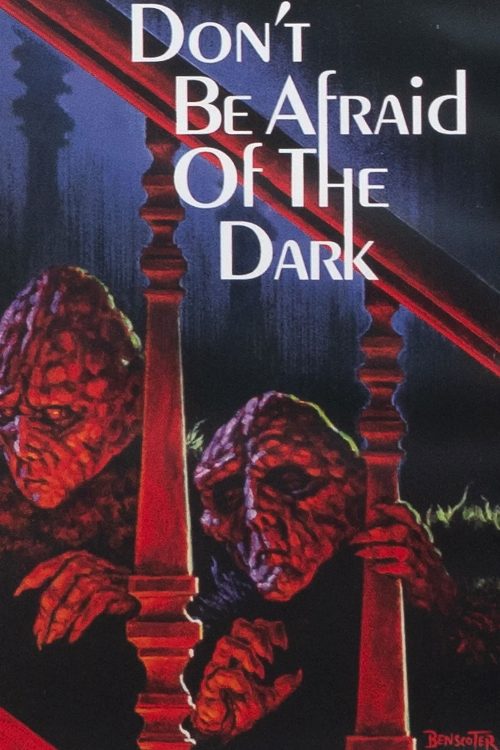
A young couple inherits an old mansion inhabited by small demon-like creatures who are determined to make the wife one of their own.
Few cinematic relics from the early seventies capture the specific, gnawing anxiety of domestic entrapment quite like the television film Don't Be Afraid of the Dark. While contemporary horror often leans into high-concept supernatural spectacles or expansive mythology, this production strips the genre down to a claustrophobic examination of isolation. The story follows a couple settling into a legacy estate, only to find that the architecture houses more than just memories. It functions as a masterclass in psychological tension, shifting the focus from external threats to the erosion of sanity within one's own sanctuary. For audiences accustomed to the hyper-kinetic editing of modern thrillers or the glossy aesthetics of current streaming horror, this film offers a refreshing, slow-burn alternative that relies on shadow and atmosphere rather than relentless jump scares.
The film occupies a fascinating space in the history of suspense, predating the modern obsession with haunted house tropes while maintaining a gritty, grounded sensibility. It serves as a stark reminder of how effectively low-budget television projects of that era could cultivate dread through minimalist staging and practical effects. The creatures themselves, while modest in execution, tap into a primal fear of the unseen, turning the mundane corners of a sprawling home into sites of genuine peril. This is essential viewing for cinephiles who appreciate the evolution of the genre and the way filmmakers of the seventies used the confined format of the made-for-TV movie to experiment with darker, more intimate storytelling techniques.
Those who enjoy the slow-mounting terror found in classic gothic literature or the understated discomfort of seventies psychological thrillers will find much to admire here. The performances anchor the bizarre premise, ensuring that the human stakes feel tangible even as the supernatural elements take hold. It is a testament to the enduring power of a simple concept: what happens when your safe space becomes the primary source of your undoing. Director John Newland manages to wring significant tension from the simple act of navigating a dark hallway, a technique that has influenced decades of filmmakers working within the horror space. By prioritizing the internal experience of the protagonist over grandiose displays of malice, the film secures its place as a haunting, atmospheric entry that remains surprisingly potent for modern viewers looking to explore the roots of contemporary suspense cinema.
Cast(19)