About Don't Call Me Mama
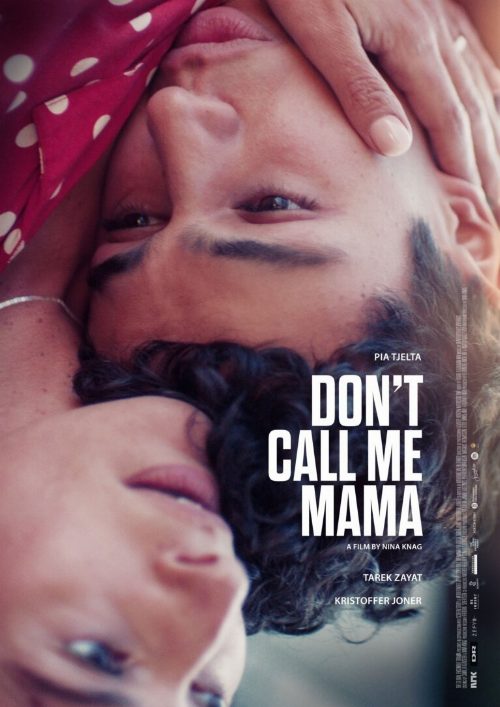
Eva is a popular teacher who is married to the local mayor. Although he has betrayed her trust, she still plans to support his election campaign, and so she starts to volunteer at a local refugee center. Here, she grows close to eighteen-year-old refugee Amir, who charms her with his poetic talents. But the closer they get, the less control she has over the situation.
Navigating the delicate intersection of political ambition and personal vulnerability, Don Call Me Mama emerges as a poignant exploration of the human heart under pressure. The film centers on Eva, a respected educator whose life appears perfectly curated from the outside, yet behind closed doors, her marriage to a powerful town official is crumbling under the weight of infidelity. Rather than retreating into isolation, she chooses a path of public service, finding herself immersed in the daily operations of a local center for displaced individuals. It is here that she encounters Amir, a young man whose lyrical soul and fragile circumstances spark an unexpected intimacy that challenges her carefully constructed moral boundaries.
While the film is a Norwegian production, its core themes of displacement, hidden desires, and the societal expectations placed upon women resonate deeply with the sensibilities of global audiences, including the modern Indian viewer who appreciates character-driven dramas. The narrative arc mirrors the introspective intensity often found in the best of Malayalam or independent Hindi cinema, where quiet moments of connection carry as much weight as explosive confrontations. By placing a woman of stature in a position where she must confront the stark realities of someone else’s survival, the director crafts a story that feels both intimate and expansive. The chemistry between Pia Tjelta and Tarek Zayat drives the tension, transforming a potentially conventional premise into a nuanced study of power dynamics and emotional dependency.
This project is poised to attract cinephiles who prefer psychological depth over spectacle, particularly those who enjoy stories that examine how personal secrets can dictate public actions. It is a film for those who appreciate the slow-burn intensity of a well-penned script and performances that rely on subtle gestures rather than grand declarations. By focusing on the friction between duty and passion, Don Call Me Mama manages to remain grounded, avoiding melodrama to instead look closely at how a single decision can unspool a person's carefully maintained reality. As the lines between mentorship and attraction begin to blur, the story forces the audience to question the ethics of connection in a world that demands we play specific roles. With its sharp focus on the fragility of social standing, this drama stands as a testament to the fact that even those with the most stability can find themselves caught in an uncontrollable spiral when they least expect it.
Cast(14)