About Don't Knock Twice
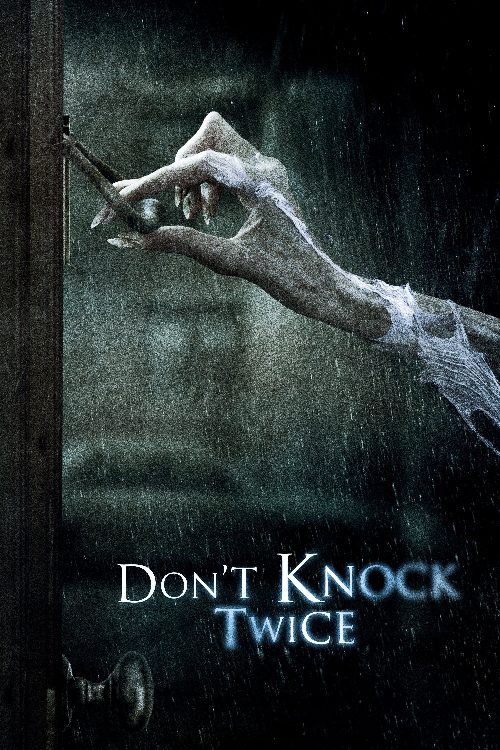
A mother desperate to reconnect with her troubled daughter becomes embroiled in the urban legend of a demonic witch.
Supernatural terror rooted in folklore often serves as a mirror for fractured family dynamics, and Don't Knock Twice masterfully utilizes this trope to explore the weight of maternal guilt. Set against the chilly, atmospheric backdrop of a sprawling British estate, the film centers on a guilt-ridden artist attempting to mend a broken bond with her estranged child. What begins as an emotional reconciliation quickly spirals into a fight for survival when an ancient nursery rhyme inadvertently invites a malevolent entity into their lives. By focusing on the tension between a parent trying to reclaim a lost connection and the physical manifestation of her past mistakes, the narrative elevates the traditional jump-scare formula into a poignant psychological study of abandonment and forgiveness.
For audiences accustomed to the high-octane emotional beats of contemporary Indian cinema, where familial sacrifice is frequently intertwined with grand melodrama, this film offers a chilling contrast in pacing. While Tollywood or Bollywood productions might lean into elaborate musical sequences to externalize grief, this film prefers the creeping dread of silence and claustrophobic framing. It captures the specific unease of modern horror, where the most frightening specters are not just the ones lurking in the shadows, but the ones born from years of silence and resentment. Those who appreciate the grounded, character-driven storytelling seen in recent Malayalam genre experiments will likely find the slow-burn intensity here particularly compelling.
Director Caradog James brings a clinical precision to the production, ensuring that the visual language feels cold and detached, reflecting the emotional distance between the two leads. Katee Sackhoff anchors the experience with a raw, desperate performance that grounds the more fantastical elements of the haunting in genuine human stakes. The film is best suited for viewers who prefer their thrills served with a side of introspection rather than mindless carnage. It succeeds because it refuses to let the supernatural antagonist overshadow the central conflict, ultimately asking whether a mother can ever truly protect her child from the ghosts of her own history. By keeping the scope intimate and the stakes deeply personal, it manages to linger in the mind long after the final frame, serving as a reminder that the strongest bonds are often the ones most easily corrupted by fear.
Cast(11)