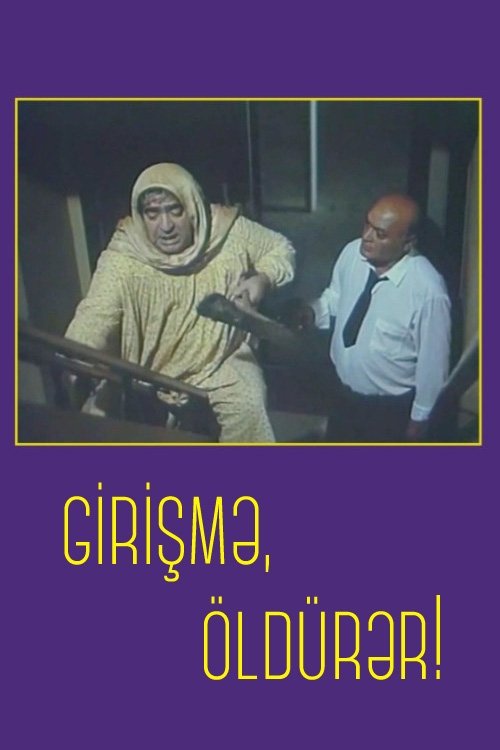
About Don't Step in-He'll Kill You
The film is about fellows spending time on the shore and about some events.
Rarely does a 1991 production capture the quirky, offbeat energy of post-Soviet cinema with as much charm as Don't Step in-He'll Kill You. Directed by Dzhakhangir Mekhdiev, this Azerbaijani comedy-adventure functions as a fascinating time capsule, offering a glimpse into a regional industry that was navigating significant cultural shifts during the early nineties. While Indian audiences are accustomed to the grand scale of Tollywood or the gritty realism of contemporary Malayalam gems, this film provides a refreshing change of pace through its focus on low-stakes, character-driven antics. The narrative centers on a group of men whose leisurely day at the beach spirals into a series of unexpected and humorous complications, highlighting a brand of physical comedy and situational absurdity that transcends linguistic barriers.
The film stands out primarily due to its ensemble cast, which features notable talents like Mamuka Kikaleishvili and Sayavush Aslan. Their performances elevate what could have been a simple seaside caper into a memorable exploration of camaraderie and social friction. For those who appreciate the observational humor found in regional Indian cinema, such as the classic comedies of the Priyadarshan era or the situational chaos of early Telugu entertainers, this movie offers a similar brand of lighthearted, yet structurally tight storytelling. It is not necessarily looking to redefine the adventure genre, but it succeeds in turning a mundane setting into a vibrant stage for human folly and comedic timing.
Viewers who enjoy vintage world cinema that prioritizes character chemistry over high-octane spectacle will find plenty to admire here. The directorial style of Mekhdiev leans into the natural landscape, using the shore as a backdrop for the evolving dynamics between the leads. It remains an essential watch for enthusiasts of Eastern European film history who want to understand the transition of the region’s creative output during a period of monumental geopolitical change. By emphasizing the small, frantic moments of a single afternoon, the production avoids the heavy-handed tropes of its decade, instead delivering a breezy, watchable experience. Whether you are a fan of historical cinema or simply seeking a unique addition to your watchlist, this film is positioned as a curious piece of cultural history that rewards those who enjoy seeing how comedy functions across different global traditions. It serves as a reminder that regardless of the industry or the era, a few men caught in a predicament remains a universal recipe for genuine entertainment.