About É Um Caso de Polícia!
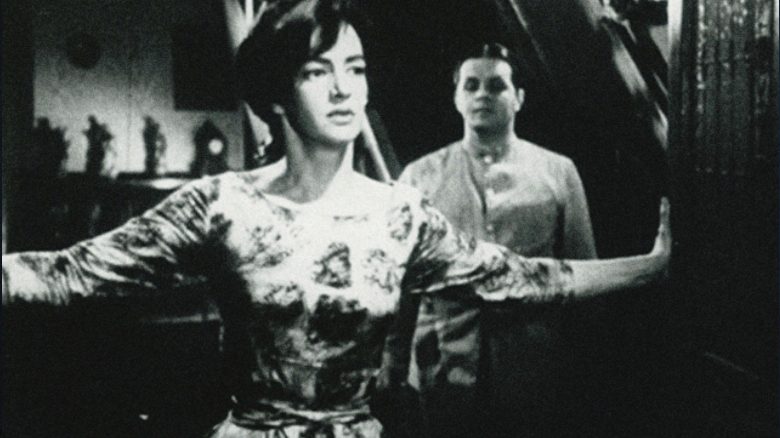
A young woman obsessed with true crime overhears two men in a restaurant plotting a murder.
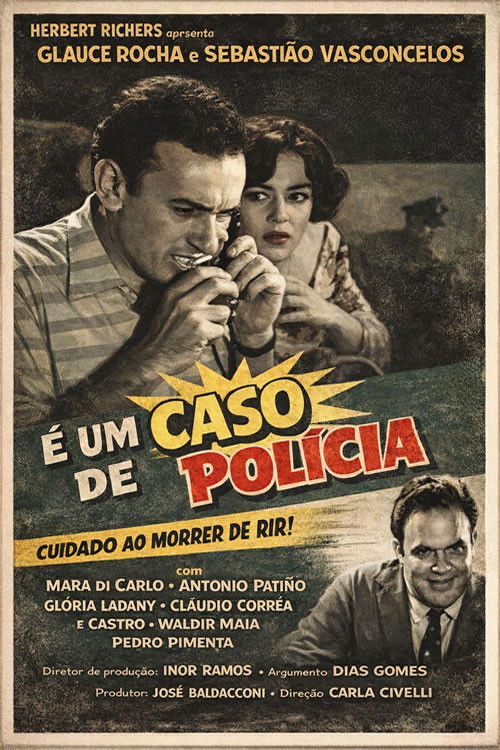
Stepping back into the golden age of Brazilian cinema, Eu Um Caso de Policia stands out as a charming time capsule that captures the intersection of suspense and slapstick comedy. Directed by Carla Civelli, this 1959 feature offers a fascinating glimpse into a period where local studios were experimenting with genre hybrids that mirrored international noir trends while maintaining a distinctly local flavor. The story centers on a protagonist whose fascination with clandestine investigations leads her to eavesdrop on a conversation that turns out to be far more dangerous than she bargained for. What follows is a lighthearted yet tense unraveling of events that challenges the traditional tropes of the detective thriller by filtering them through a lens of situational humor.
The film is anchored by the charismatic Glauce Rocha, whose presence provides a grounded energy amidst the comedic chaos surrounding her. Alongside a robust ensemble cast including Oswaldo Loureiro and Jorge Loredo, the performances lean into the theatricality common in mid-century Lusophone cinema, creating a rhythm that feels both nostalgic and refreshingly brisk. For audiences familiar with the regional evolution of Indian cinema, where mystery comedies often balance high-stakes intrigue with character-driven levity, this Brazilian production will feel surprisingly resonant. It manages to capture the anxieties of urban life through a playful perspective, positioning itself as a quintessential piece of South American genre history that prioritizes wit over grim realism.
Viewers who enjoy the classic whodunit structure, particularly those who appreciate how early filmmakers used limited sets to build immense tension, will find much to admire here. It is an ideal watch for students of film history who are interested in how international industries navigated the transition into more sophisticated narrative structures during the late fifties. Because the plot relies heavily on the protagonist’s internal perspective and her frantic attempts to navigate a situation that quickly spirals out of control, the movie maintains a steady pace that keeps the audience guessing without ever veering into the overly dark territory typical of later, more hardened crime thrillers. By modern standards, the production serves as a delightful example of how period comedies could successfully integrate elements of suspense, proving that the fascination with true crime is a global obsession that has entertained audiences for generations.
Crew
Similar Films