About Easy to Get
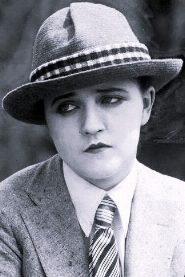
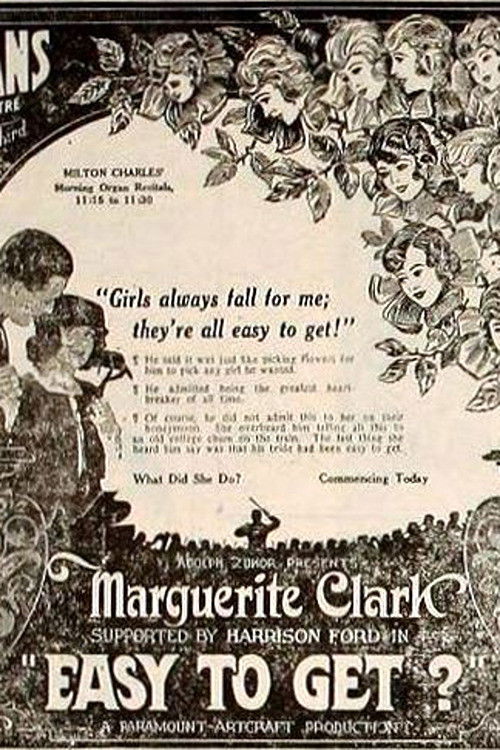
While traveling on her honeymoon, newlywed Milly Morehouse overhears her husband Bob boast to his friend Dick Elliot that she was "easy to get," so Milly decides to get even.
The landscape of early twentieth century cinema often favored dramatic spectacles, yet Easy to Get carves out a niche by leaning into the witty gender dynamics that would eventually define the screwball comedies of later decades. Released in 1920, this silent era production captures a domestic tug of war that feels surprisingly modern in its execution. At the heart of the narrative is the character of Milly Morehouse, who finds her marital bliss abruptly interrupted by a careless comment from her spouse. When she discovers that her husband has downplayed the significance of their union to his social circle, the film shifts from a traditional romantic setup into an entertaining exercise in retribution. It is a classic tale of bruised pride prompting a clever counteroffensive, proving that the roots of the battle of the sexes in film run far deeper than many contemporary viewers might assume.
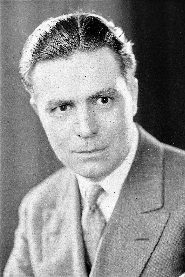
For students of cinema history, this project serves as a fascinating time capsule of the transition period in silent filmmaking. Walter Edwards directs with a focus on character motivation that keeps the momentum brisk, steering clear of the overly theatrical gestures that plagued many of his contemporaries. The presence of Harrison Ford, who was a prominent leading man during this phase of the medium, provides the audience with a grounded anchor amidst the mounting social chaos. The chemistry within the ensemble cast helps elevate what could have been a simple farce into a nuanced exploration of reputation and ego. By emphasizing the internal motivations of the female protagonist, the story grants its lead a sense of agency that was occasionally sidelined in other productions of the same era.
Viewers who enjoy the rapid fire repartee of classic Hollywood or the subversion of domestic expectations will find much to admire here. It is an ideal recommendation for those interested in the evolution of the comedy genre, specifically how filmmakers used subtle irony to critique the vanity of the upper crust. While the pacing reflects the techniques of the early silent period, the underlying themes of mutual respect and the dangers of bravado remain universally relatable. This film stands as a testament to the fact that compelling storytelling does not require expansive budgets or complex set pieces, but rather a sharp script and a central conflict that resonates with the audience. By focusing on the clever machinations of its characters, the production manages to remain engaging long after its initial release, cementing its status as an insightful look at the insecurities hidden behind the facade of a happy marriage.
Cast(9)