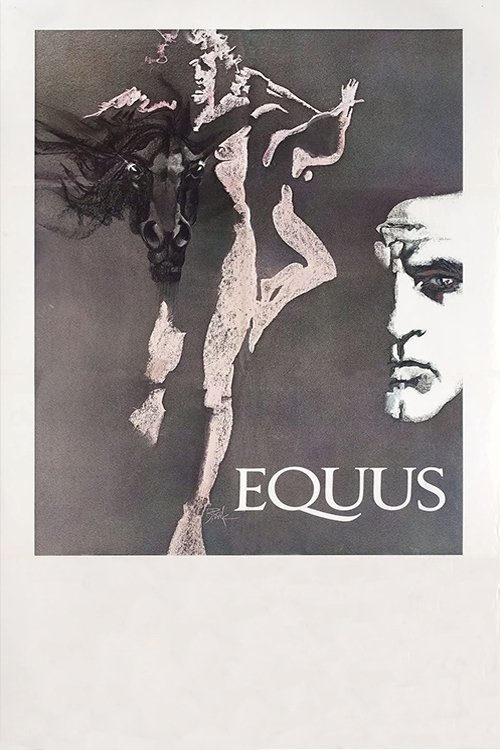
About Equus
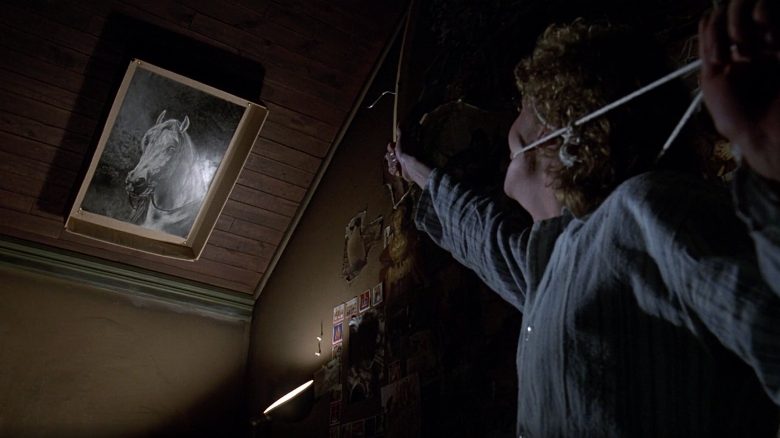
A psychiatrist, Martin Dysart, investigates the savage blinding of six horses with a metal spike in a stable in Hampshire, England. The atrocity was committed by an unassuming seventeen-year-old stable boy named Alan Strang, the only son of an opinionated but inwardly-timid father and a genteel, religious mother. As Dysart exposes the truths behind the boy's demons, he finds himself face-to-face with his own.
Sidney Lumet possessed an uncanny ability to turn claustrophobic settings into crucibles of psychological reckoning, and Equus remains perhaps the most intense example of his craft. At the center of this unsettling mystery is the shocking mutilation of stable animals, an act of inexplicable violence that serves as a canvas for a much deeper inquiry into the human condition. Unlike typical thrillers that focus on the mechanics of a crime, this film functions as a philosophical interrogation. It pits the clinical detachment of a weary psychiatrist against the raw, untamed fervor of a troubled youth. While contemporary audiences might be accustomed to the high-octane investigative dramas often churned out by current global industries, Equus demands a slower, more meditative kind of patience, rewarding viewers who are willing to navigate the blurred lines between sanity and obsession.
The power of the piece lies in the collision of two disparate worldviews represented by Richard Burton and the young Alan Strang. As the doctor attempts to peel back the layers of the boy's psyche, he is forced to confront the sterility of his own life. This dynamic resonates with themes often explored in intense character-driven dramas across world cinema, where the investigator becomes as much a subject of scrutiny as the perpetrator. The film captures the tension between the structured, rational expectations of British society and the primal, almost religious intensity that the teenager projects onto his relationship with nature. It is a stark reminder that the darkest secrets are often not found in the shadows of the crime scene, but within the deeply repressed corners of the human heart.
For those who appreciate cinema that favors dialogue and performance over spectacle, this remains an essential watch. It is particularly striking for followers of the mid-seventies era of filmmaking, where directors were emboldened to push the boundaries of what could be depicted on screen, both visually and thematically. Lumet manages to elevate the material beyond its stage origins, ensuring that the heavy subject matter feels immediate rather than academic. Viewers who enjoy psychological cat and mouse games or stories that question the true nature of normalcy will find plenty to contemplate here. By stripping away the comfort of easy answers, the film invites the audience to consider whether the pursuit of absolute logic might actually be a form of spiritual blindness, making it a timeless entry in the history of challenging, intellectual drama.
Cast(12)