About Fallen Angels
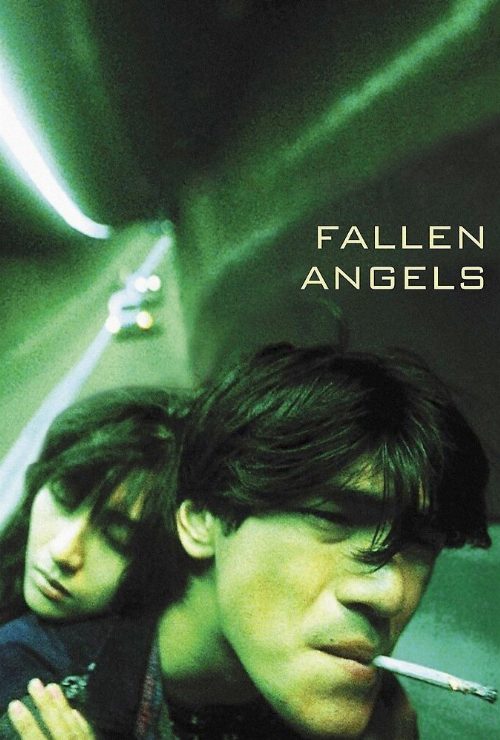
An assassin goes through obstacles as he attempts to escape his violent lifestyle despite the opposition of his partner, who is secretly attracted to him.
Wong Kar-wai remains a titan of atmospheric storytelling, and his mid-nineties masterpiece Fallen Angels serves as a neon-soaked descent into the lonely heart of urban isolation. While contemporary Indian cinema often leans into high-octane spectacle or sprawling mythological sagas, this Hong Kong classic offers a starkly different texture, trading grand narratives for the fragmented, dreamlike rhythms of nighttime encounters. It captures the frantic energy of a metropolis that never sleeps, focusing on characters who are perpetually drifting through crowded spaces yet remain profoundly untethered from one another. For viewers who appreciate the stylistic evolution of South Indian neo-noir or the brooding aesthetic found in recent works from directors like Lokesh Kanagaraj, this film acts as a foundational pillar of mood-driven crime cinema.
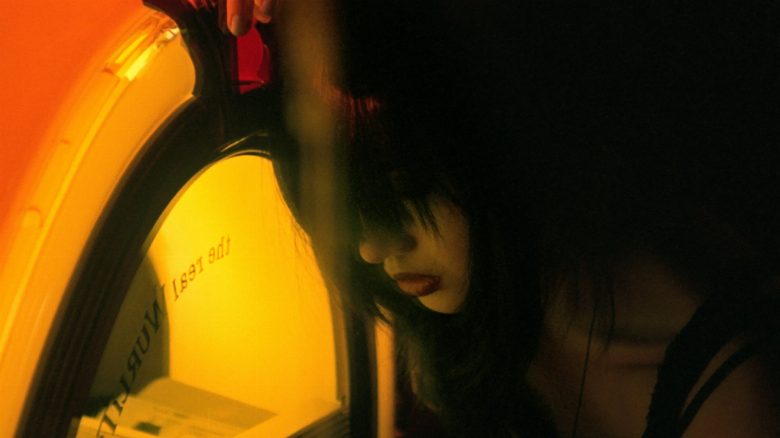
The narrative architecture here is deliberately loose, prioritizing stylistic flourishes and emotional resonance over linear progression. Leon Lai Ming portrays a professional hitman attempting to navigate a professional life that has become increasingly stifling, while his mysterious handler monitors his movements with a detached, obsessive intensity. Their dynamic is defined by a deep, unspoken tension that simmers beneath the surface of their infrequent interactions. The inclusion of Charlie Yeung Choi-Nei and Karen Mok Man-Wai adds further layers of eccentricity and heartache to the mix, ensuring that the film feels less like a traditional thriller and more like a collection of melancholic snapshots. The cinematography, characterized by warped wide-angle lenses and intense color palettes, forces the audience to experience the disorientation of characters who are searching for connection in a world built on distance.
This film is essential viewing for cinephiles who prioritize sensory experience and visual poetry above plot-heavy conventions. It appeals particularly to those who enjoy the slow-burn intensity of Malayalam character studies or the stylistic risks taken by auteur-driven projects across the Indian film industries. By stripping away the typical hero-villain tropes, the film invites the audience to inhabit a space where the line between criminal activity and existential yearning is permanently blurred. It is a haunting exploration of urban alienation that feels just as provocative today as it did decades ago, proving that the most compelling stories are often those that linger in the shadows of the city. Whether you are a dedicated fan of Hong Kong New Wave or simply curious about the stylistic blueprints that have influenced modern global crime dramas, Fallen Angels remains an unparalleled exercise in cinematic mood and atmosphere.
Cast(20)