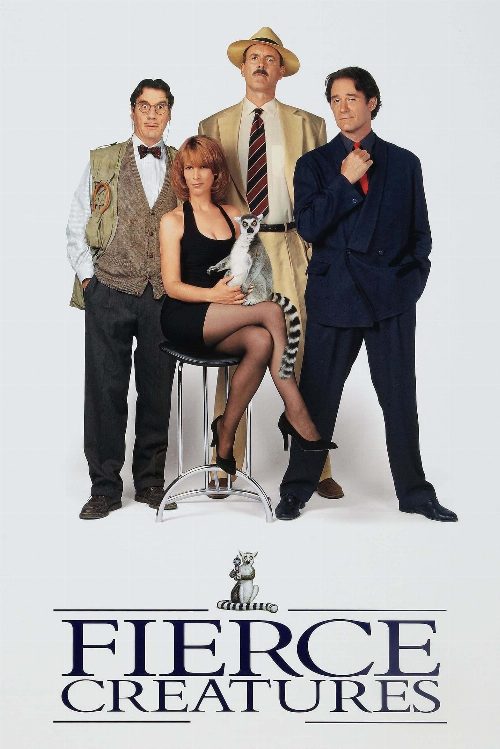
About Fierce Creatures
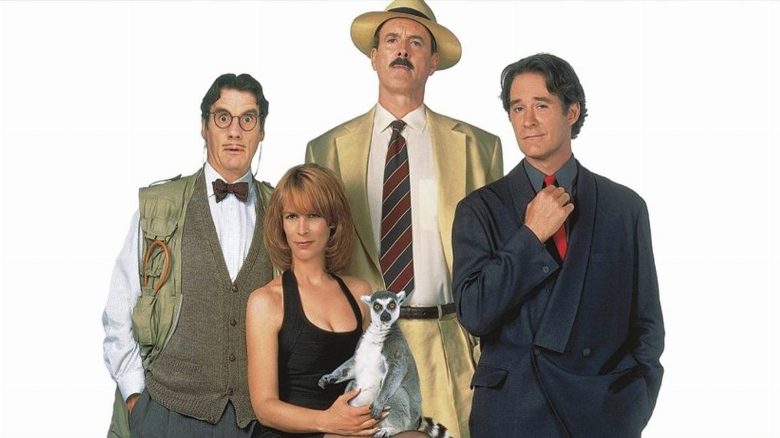
Ex-policeman Rollo Lee is sent to run Marwood Zoo, the newly acquired business of a New Zealand tycoon. In order to meet high profit targets and keep the zoo open, Rollo enforces a new 'fierce creatures' policy, whereby only the most impressive and dangerous animals are allowed to remain in the zoo. However, the keepers are less enthusiastic about complying with these demands.
The comedic landscape of the late nineties often relied on the collision of bureaucratic absurdity and workplace chaos, a tradition that finds a sharp, satirical expression in Fierce Creatures. While many films of this era leaned into slapstick, this project distinguishes itself through a dry, cynical wit that examines corporate greed through the lens of a struggling animal park. The premise centers on the arrival of a rigid manager tasked with maximizing financial returns by purging the facility of any animal that fails to provoke genuine terror in visitors. This central conceit serves as a biting commentary on the dehumanizing nature of profit-driven management, transforming a simple zoo setting into a high-stakes environment where the staff must navigate the clash between commercial mandates and their own empathetic bonds with the residents of the enclosures.
For fans of Indian cinema, this film offers a fascinating look at the classic ensemble-driven farce, a genre that frequently resonates with audiences who appreciate the frantic energy and character-driven humor common in Telugu or Hindi comedies. Much like contemporary regional hits that balance heavy social critique with lighthearted banter, this film manages to maintain a brisk pace while questioning the ethics of modern ownership. Viewers who enjoy the interplay of eccentric personalities—those who find delight in movies where the workplace becomes an unpredictable battlefield—will likely find the chemistry between the cast members particularly engaging. It is a quintessential example of how a singular, bizarre constraint can spiral into a sophisticated comedy of errors, appealing to those who prefer their humor with a side of intellectual observation.
The creative DNA of the film is deeply rooted in a style of British observational comedy that prioritizes witty dialogue over physical gags. By focusing on the tension between the cold, calculated directives of a tycoon and the genuine affection the zookeepers hold for their charges, the narrative avoids becoming a mere animal-themed romp. Instead, it positions itself as a study of integrity under pressure. Whether one is a devotee of classic international comedies or simply looking for a well-structured script that refuses to rely on tired tropes, the film remains a compelling watch. It stands as a testament to the idea that even in the most sterile corporate environments, human quirks and the unpredictability of nature can disrupt the best-laid plans of the most ruthless executives.
Cast(29)