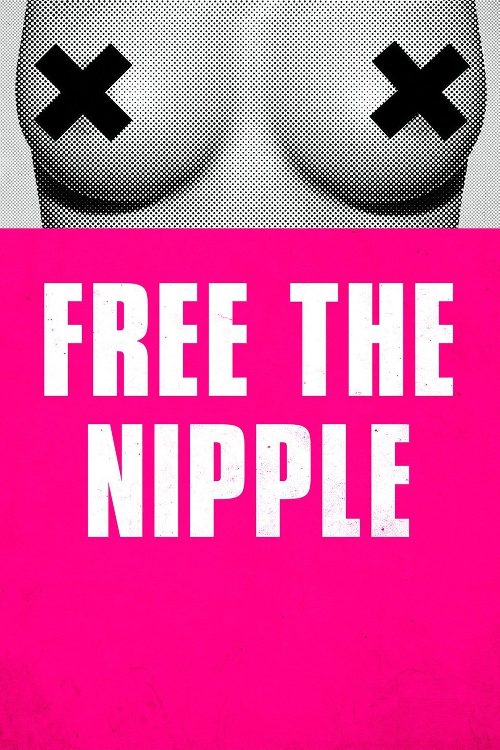
About Free the Nipple
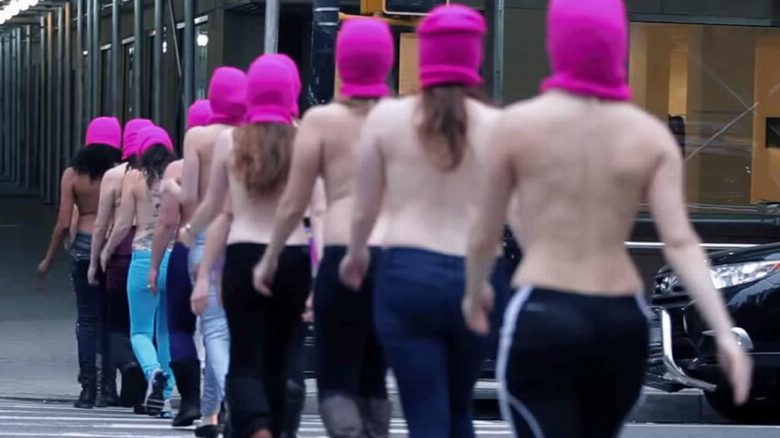
An army of passionate women launch a revolution to "Free the Nipple" and decriminalize the female body. Based on a true story, this mass movement of topless women, armed with First Amendment lawyers, graffiti installations and national publicity stunts, invade New York City to protest the backwards censorship laws in the USA.
Public discourse often finds itself at a crossroads when art confronts the rigid boundaries of societal norms, a tension that sits at the very heart of the 2014 dramedy Free the Nipple. While contemporary Indian cinema frequently explores the delicate balance between tradition and modern individual expression, this American production takes a decidedly louder, more confrontational approach to the politics of the female form. By framing the quest for bodily autonomy as a blend of grassroots activism and high-stakes media spectacle, the film examines the legal and cultural absurdity of censorship in the United States. It serves as a fascinating companion piece for audiences who appreciate films that use humor to dismantle institutional hypocrisy, placing itself in a lineage of social satires that prioritize the power of protest over polite conversation.
The narrative follows a group of women who transform the streets of New York City into a stage for their campaign against archaic legislation. Directed by Lina Esco, who also features in the cast, the film captures the frenetic energy of a movement fighting to strip away the taboo surrounding the female chest. For viewers who follow the evolution of indie cinema, the project stands out for its commitment to a specific, provocative vision that refuses to soften its edges for mass appeal. It is less a traditional narrative and more a cinematic manifesto, utilizing the tools of guerrilla marketing and public disruption to force a dialogue that is as relevant today as it was a decade ago.
Those who find themselves drawn to stories about collective action and the subversion of state-mandated morality will likely appreciate the film’s relentless momentum. It is a work for spectators who enjoy seeing the underdog—or in this case, a collective of determined activists—leverage the courtroom and the camera lens to challenge the status quo. By highlighting the intersection of law and personal liberty, the film encourages a critical look at how public spaces are policed. Ultimately, it succeeds by inviting the audience to question why certain bodies are seen as symbols of danger while others are treated as the default, making it a compelling watch for anyone invested in the intersection of civil rights and popular culture.
Cast(13)