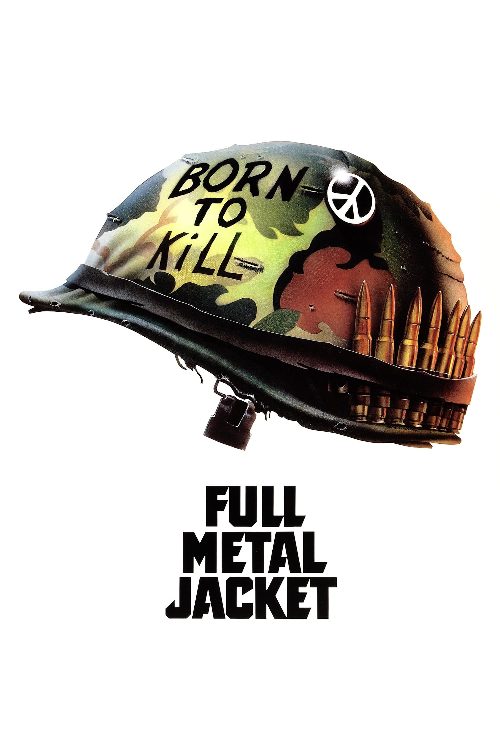
About Full Metal Jacket
A pragmatic U.S. Marine observes the dehumanizing effects the U.S.-Vietnam War has on his fellow recruits from their brutal boot camp training to the bloody street fighting in Hue.
Stanley Kubrick remains a monumental figure in global cinema, and his exploration of conflict in Full Metal Jacket stands as a definitive study of psychological fracture rather than a standard combat narrative. While contemporary audiences familiar with the high-octane spectacle of modern Telugu action dramas or the gritty realism of recent Malayalam thrillers might expect a focus on tactical maneuvers, this 1987 masterpiece pivots toward the internal erosion of the human spirit. By partitioning the narrative into two distinct stages—the claustrophobic pressure cooker of basic training and the surreal devastation of urban warfare—Kubrick dismantles the myth of the soldier as a heroic archetype, instead revealing the mechanical cruelty required to forge a killing machine.
The film resonates profoundly with viewers who appreciate psychological depth over traditional heroism. It is a stark departure from typical war cinema because it refuses to glorify the battlefield, choosing instead to linger on the transformation of raw, eccentric individuals into hollowed-out cogs of a military apparatus. The performance of Vincent D Onofrio is particularly haunting, serving as the emotional anchor for a story that examines how systemic violence consumes the vulnerable. For fans of Indian cinema who admire directors like Mani Ratnam or Vetrimaaran for their unflinching portrayal of social and moral decay, this film offers a similar sense of uncompromising vision and atmospheric tension. It is a cold, calculated look at how authority strips away identity, a theme that has become increasingly relevant in global storytelling today.
This classic is essential viewing for anyone interested in the technical mastery of filmmaking, particularly in how cinematography can reflect a character's descent into madness. The shift from the saturated, brightly lit environment of the training barracks to the desaturated, ruinous landscape of Vietnam creates a visual language of alienation that feels just as potent today as it did decades ago. It is not an easy watch, nor is it meant to be, but for those who seek movies that challenge their perceptions of institutional power and the dehumanization inherent in state-sanctioned conflict, it remains a gold standard. Kubrick effectively strips away the veneer of patriotism to showcase the raw, industrial nature of warfare, ensuring the film remains a permanent fixture in discussions about the most impactful dramas ever put to celluloid.
Cast(108)