About Gladiator
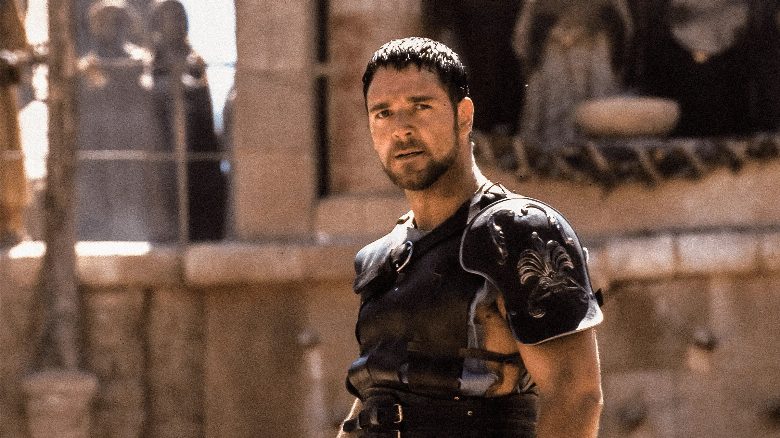
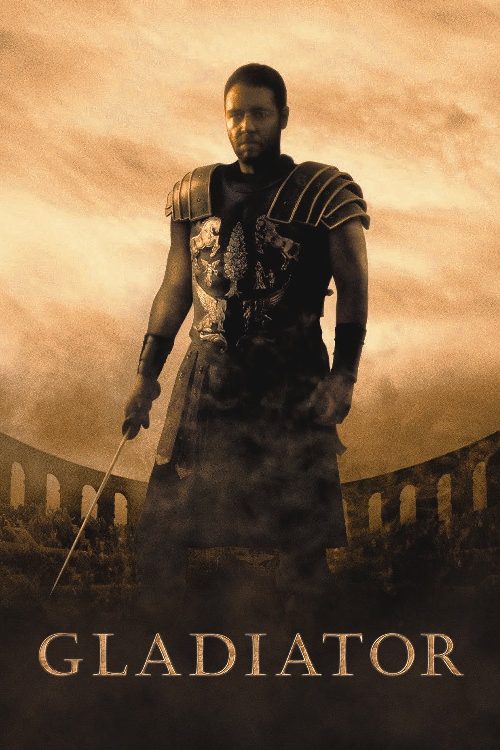
After the death of Emperor Marcus Aurelius, his devious son takes power and demotes Maximus, one of Rome's most capable generals who Marcus preferred. Eventually, Maximus is forced to become a gladiator and battle to the death against other men for the amusement of paying audiences.
Few cinematic experiences manage to capture the sheer weight of historical tragedy quite like Gladiator, a film that redefined the scope of the sword and sandal epic for a new millennium. While contemporary Indian cinema has seen a surge in grand historical dramas that blend mythic storytelling with high stakes political maneuvering, Ridley Scott’s masterpiece remains the gold standard for visceral, character driven spectacles. The film operates as a meditation on loyalty and the corrupting nature of absolute power, grounding its massive production scale in the intimate, desperate journey of a man stripped of his status and forced to fight for his life in the brutal arenas of Rome. For audiences who appreciate the intense emotional beats found in modern Telugu or Tamil blockbusters where the hero stands against an unjust system, this narrative offers a hauntingly familiar resonance.
The strength of the film lies in its ability to balance the kinetic energy of combat with a somber, reflective tone. Russell Crowe delivers a performance of remarkable restraint, portraying a soldier who finds himself discarded by the very empire he helped expand. This descent from a celebrated military leader to an enslaved gladiator provides the backbone of a story that prioritizes personal honor over political maneuvering. Watching his journey, one cannot help but notice the meticulous craft behind the production design and the score, elements that work in tandem to immerse the viewer in a world that feels both ancient and dangerously relevant. It is a film for those who demand more than just action, seeking instead a narrative that interrogates the moral cost of ambition.
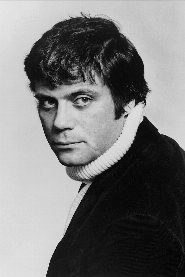
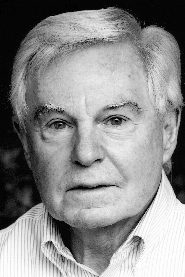
For viewers who admire the recent wave of pan Indian cinema that elevates regional folklore into global visual spectacles, this classic serves as an essential reference point for how to handle large scale ensemble casts and complex political betrayals. The supporting ensemble, featuring veteran performers like Oliver Reed and Derek Jacobi, provides a textured layer of gravity that prevents the story from slipping into mere spectacle. By focusing on the internal struggle of a protagonist who refuses to be broken by his circumstances, the film secures its place as a cornerstone of the genre. Whether you are a fan of historical epics or simply someone who appreciates a masterfully paced descent into the fray, this work offers a timeless exploration of resilience that continues to influence the way filmmakers approach the hero narrative today.
Cast(41)