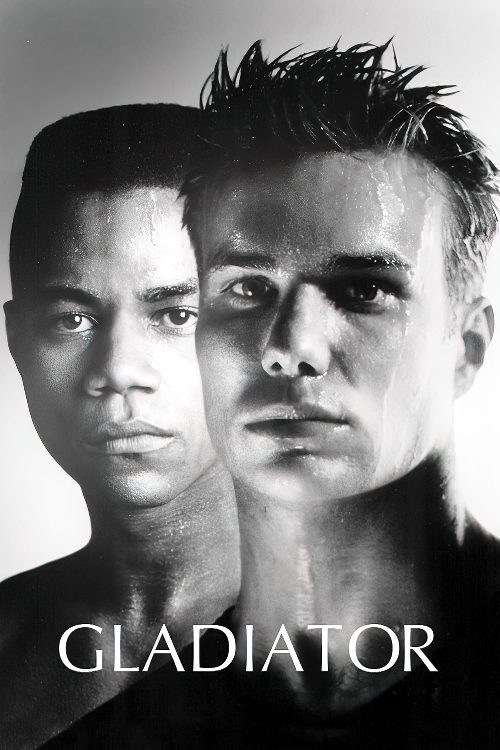
About Gladiator
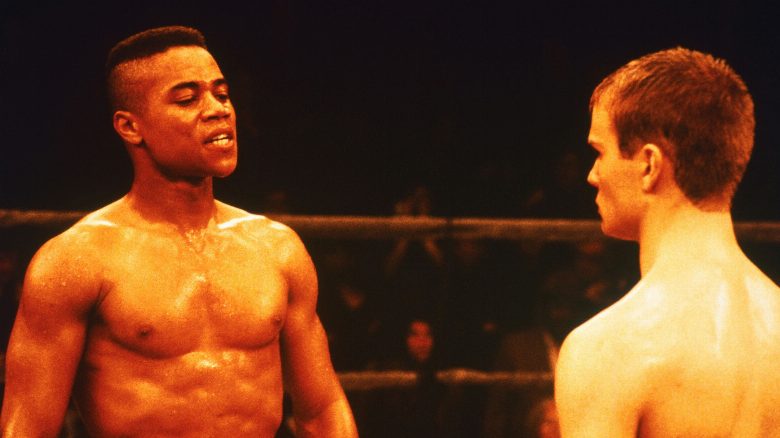
Tommy Riley has moved with his dad to Chicago from a 'nice place'. He keeps to himself, goes to school. However, after a street fight, he's noticed and quickly falls into the world of illegal underground boxing — where punches can kill.
Rowdy Herrington explores the gritty intersection of adolescent vulnerability and systemic exploitation in his early nineties drama Gladiator. By transplanting a young protagonist from a stable domestic environment into the volatile atmosphere of Chicago, the narrative examines the desperation that often forces individuals into the shadows of society. While contemporary audiences might associate the title with epic historical bloodshed, this film offers a grounded, intimate look at the predatory nature of underground combat. It captures a specific moment in American cinema where the sports drama merged with urban realism, focusing less on the glory of the ring and more on the moral compromises required to survive in a landscape where human worth is measured by the ability to endure physical punishment.
The film resonates with the recurring themes found in modern Indian cinema, particularly in the way it mirrors the struggles seen in regional hits that explore the grit of local sports or the survival instincts of the marginalized. Much like the intense character studies coming out of the Tamil or Telugu industries today, the movie uses the protagonist as a lens to view the corruption of the systems surrounding him. For viewers who appreciate high-stakes narratives where the hero must navigate a toxic environment while maintaining their integrity, this story provides a compelling watch. It avoids the polished sheen of major studio productions, opting instead for a raw aesthetic that highlights the isolation of a teenager thrust into a world of illicit gambling and ruthless promoters.
Leading the cast, T.E. Russell anchors the production with a performance that emphasizes the transition from wide-eyed outsider to a hardened participant in a brutal trade. The supporting ensemble creates a claustrophobic sense of entrapment, ensuring the audience feels the pressure mounting on the lead character with every scene. Because the film avoids the heroics usually associated with boxing movies, it appeals to fans of character-driven dramas who prefer psychological tension over athletic triumph. As a relic of its time, it serves as an interesting precursor to the gritty realism that has since become a global staple in independent filmmaking, making it a noteworthy selection for those interested in the evolution of the sports genre and its capacity to expose the dark underbelly of human desperation.
Cast(17)