About Good Boy
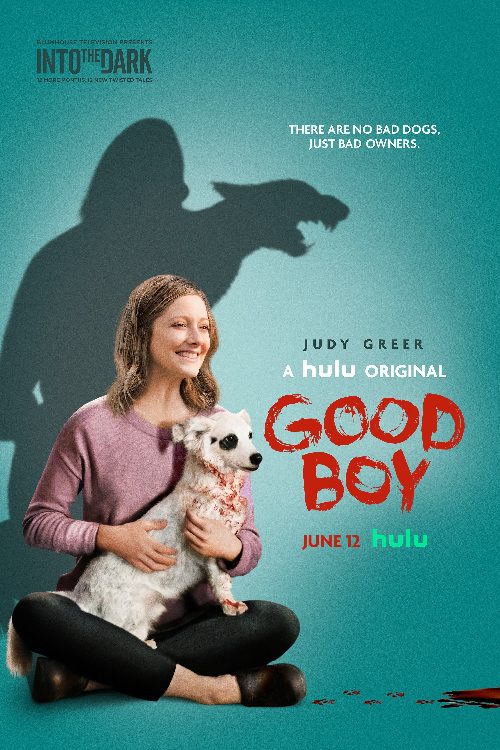
When Maggie gets an emotional support dog to help quell some of her anxiety, she finds him to be even more effective than she imagined... because unbeknownst to her, he kills anyone who adds stress to her life.
The intersection of dark humor and visceral suspense often reveals the strangest manifestations of companionship in modern cinema. Good Boy arrives as a quirky entry in the comedy horror landscape, offering a twisted take on the classic trope of man's best friend. While international audiences are increasingly accustomed to high-concept genre mashups, this film carves out a specific niche by exploring the fragility of mental health through a lens of lethal absurdity. By centering its narrative on a protagonist who seeks comfort in a canine companion only to find that her four-legged protector possesses a bloodthirsty streak, the movie effectively satirizes our modern obsession with emotional support animals and the lengths we go to for peace of mind.
For fans of global cinema who appreciate the stylistic risks taken by contemporary directors like Tyler MacIntyre, this project serves as a sharp contrast to the more traditional fare often seen in the mainstream. The film thrives on the escalating tension between the mundane struggles of daily anxiety and the gruesome reality of a pet that takes its protective duties far too seriously. It is a cautionary tale wrapped in a satirical package, echoing the sensibilities of cult classics that refuse to categorize themselves strictly as one thing. The presence of Steve Guttenberg adds a layer of nostalgia that grounds the production, grounding the more fantastical elements in a familiar performance style that keeps the tone balanced between lighthearted satire and genuine unease.
Viewers who enjoy character-driven thrillers will likely find the most value here, as the film prioritizes the psychological state of its lead over mere jump scares. Much like the current trend in Malayalam or Tamil cinema where experimental narratives are pushed to the forefront, this English-language production demonstrates how a simple premise can be stretched into a commentary on human fragility and the chaos of interpersonal boundaries. It is an ideal watch for those who prefer their horror with a side of sharp wit rather than relentless dread. By blending the inherent warmth of a bond between a pet and owner with the shock of unexpected violence, the film manages to feel both strikingly relevant and distinctly macabre. It invites the audience to consider the cost of their own comfort, suggesting that sometimes the support we invite into our lives carries a weight far heavier than we ever anticipated.
Cast(15)