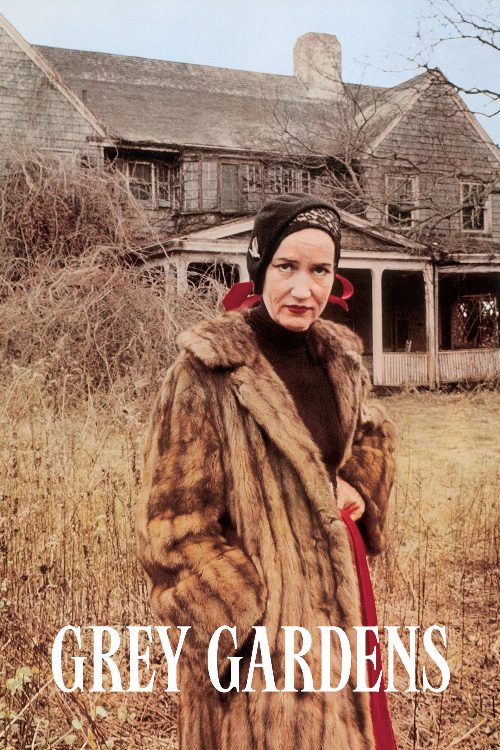
About Grey Gardens
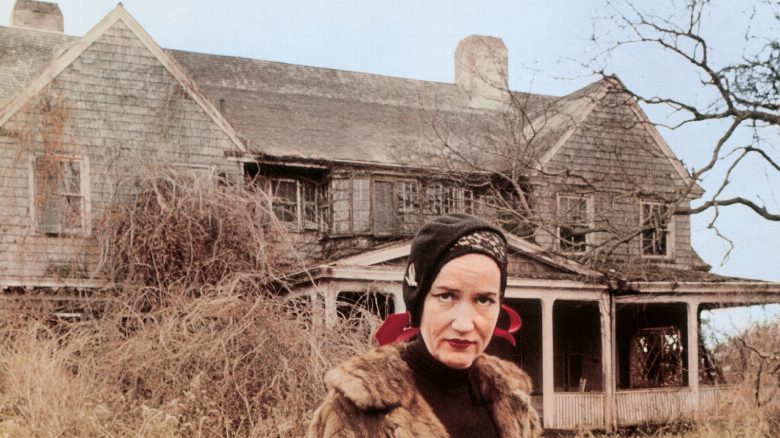
Edie Bouvier Beale and her mother, Edith, two aging, eccentric relatives of Jackie Kennedy Onassis, are the sole inhabitants of a Long Island estate. The women reveal themselves to be misfits with outsized, engaging personalities. Much of the conversation is centered on their pasts, as mother and daughter now rarely leave home.
Few cinematic experiences manage to capture the claustrophobic intimacy of domestic decay quite like the 1976 documentary Grey Gardens. Directed by Ellen Giffard and Albert Maysles, the film documents the isolated existence of an aristocratic mother and daughter duo living in a crumbling East Hampton mansion. While the subjects are famously connected to American royalty through their kinship with Jackie Kennedy Onassis, the film strips away any veneer of high-society glamour. Instead, it offers a raw and often uncomfortable look at the symbiotic, volatile relationship between two women who have retreated from the world to create a reality entirely their own.
For audiences familiar with the current wave of character-driven documentaries in Indian cinema that explore the complexities of family dynamics and social isolation, Grey Gardens serves as an essential historical touchstone. It predates the modern voyeuristic documentary style but remains arguably the most influential work in the genre of fly-on-the-wall filmmaking. The film is a masterclass in observational storytelling, where the directors do not prompt the subjects but rather allow the eccentricities and deep-seated grievances of the pair to surface naturally. Viewers who appreciate slow-burn narratives that prioritize psychological depth over traditional plot structures will find this portrait of decline and resilience utterly magnetic.
The film is particularly notable for how it challenges the viewer to balance pity with genuine admiration. Despite the squalor of their surroundings, the women possess a theatricality and an unshakeable sense of self that feels almost performative. It is a study in how memory and past status can become both a sanctuary and a prison. For anyone interested in the intersection of class, mental health, and the endurance of personality under extreme circumstances, this piece of cinema remains a mandatory watch. It stands as a haunting reminder of how identity is constructed within the confines of four walls, making it as relevant to contemporary global audiences as it was to those who first encountered the Beales nearly five decades ago. The legacy of the film continues to permeate popular culture, proving that the most compelling dramas are often those found in the quiet, messy corners of real human lives.