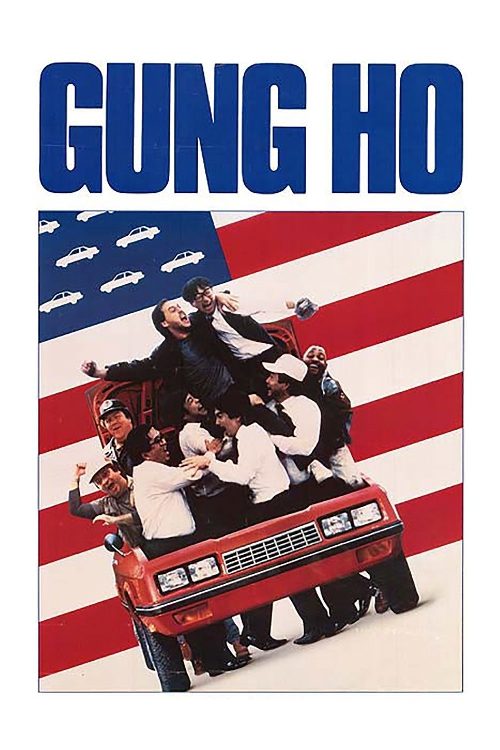
About Gung Ho
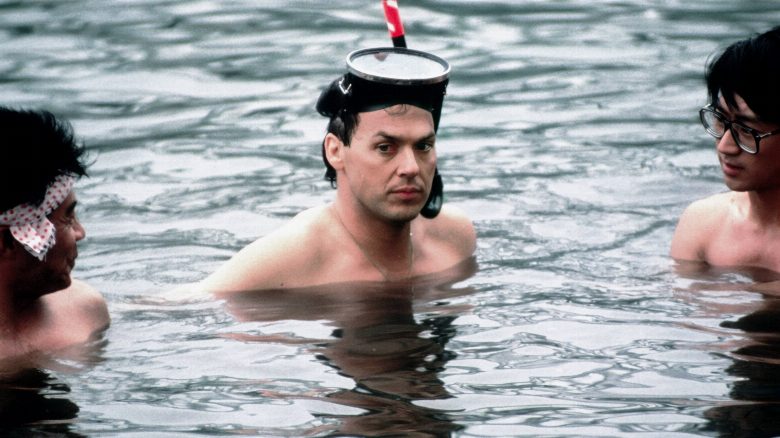
When a western Pennsylvania auto plant is acquired by a Japanese company, brokering auto worker Hunt Stevenson faces the tricky challenge of mediating the assimilation of two clashing corporate cultures. At one end is the Japanese plant manager and the sycophant who is angling for his position. At the other, a number of disgruntled long-time union members struggle with the new exigencies of Japanese quality control.
The collision of industrial philosophies serves as the chaotic backdrop for Gung Ho, a satire that captures the anxiety of a changing global economy long before the current era of multinational corporate mergers became commonplace. Set within the rust belt of the United States, the film explores the friction that occurs when high-pressure Japanese efficiency meets the laid-back, blue-collar sensibilities of Pennsylvania. By focusing on the frantic attempts of a middleman to bridge the divide between two deeply incompatible work ethics, the story highlights the absurdity of trying to force cultural harmony in a room full of people who would rather cling to their own traditions. It is a classic fish-out-of-water scenario that feels particularly resonant for modern viewers who have witnessed the rapid internationalization of industries.
While Indian cinema has frequently tackled the theme of the common man fighting against corporate giants or navigating the complexities of foreign employment, Gung Ho offers a more humorous, character-driven look at the same underlying tensions. For fans of Telugu or Hindi workplace dramas where the protagonist often acts as the glue holding a fractured social structure together, this film provides a Western mirror to those familiar archetypes. The humor relies heavily on the miscommunications and awkward posturing of both management and labor, making it an ideal watch for those who appreciate social comedies that don't shy away from the darker realities of job insecurity. The performances capture the frustration of a workforce feeling left behind by progress, balanced against the rigid, almost robotic expectations of a new ownership group that values perfection above all else.
Director Ron Howard utilizes the premise to examine the thin line between progress and exploitation. Instead of settling for a simple comedy, the film leans into the drama of workers trying to maintain their dignity in a system that views them as mere components in a larger machine. It is a cautionary tale about the dangers of prioritizing metrics over the human element, a theme that remains as relevant today as it was in the mid-eighties. Audiences who enjoy films that blend lighthearted moments with biting social commentary will find plenty to appreciate here. By highlighting the struggle to keep a local plant afloat under foreign management, the narrative forces us to consider whether it is possible for two distinct worlds to blend without losing their unique identities in the process.
Cast(47)