About Hallelujah
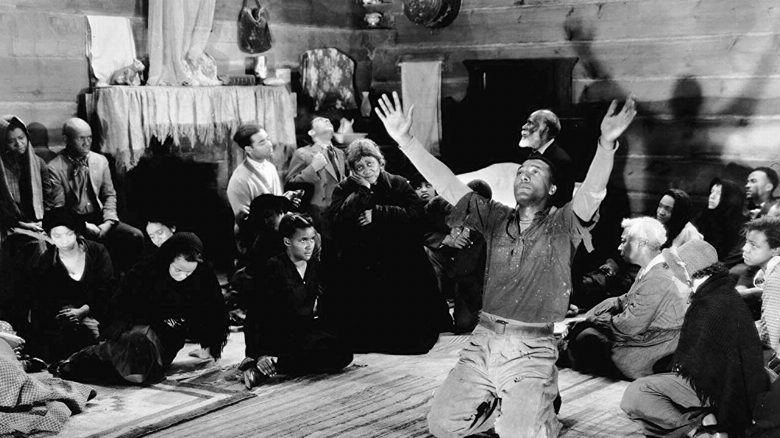
A black laborer turns preacher after meeting a loose woman and her boyfriend.
Stepping back nearly a century into the evolution of American cinema, King Vidor’s Hallelujah stands as a monumental artifact that challenged the rigid boundaries of its era. Released in 1929, this production arrived at the precarious intersection of the silent film decline and the dawn of the talkies, capturing a raw, rhythmic energy that was rarely afforded to African American performers in mainstream features at the time. By centering its narrative on the volatile journey of a cotton field worker who transitions into a life of religious devotion, the film explores profound tensions between spiritual aspiration and the seductive pull of secular temptations. It is a rare, complex look at southern rural life, presented with a visual ambition that solidified Vidor’s reputation as a director who could marry technical innovation with deep human struggle.
For the modern cinephile, particularly those who follow the rich tapestries of global storytelling seen in contemporary Indian regional cinema, Hallelujah offers a fascinating parallel. Much like the intense emotional arcs found in period dramas from the Telugu or Malayalam industries, this film relies heavily on the power of musical expression to convey internal conflict and communal identity. The inclusion of authentic spirituals and blues elements serves not merely as a backdrop, but as the heartbeat of the story, mirroring how music functions as a narrative engine in global film cultures. The lead performance by Daniel L. Haynes is particularly striking, grounding the melodrama with a sense of gravity that elevates the film beyond the typical stylistic constraints of late twenties Hollywood.
The film is essential viewing for anyone interested in the history of racial representation on screen and the development of the musical drama genre. While the industry of 1929 was vastly different from the high-octane global markets of today, the fundamental themes of redemption and the search for moral clarity remain universally resonant. It invites the audience to consider how early directors navigated the limitations of their time to tell stories that felt both intimate and grand. By focusing on the internal contradictions of its protagonist, the film remains a compelling study of human frailty. It serves as a testament to the fact that compelling drama has always thrived on the collision between personal desire and societal expectation, a theme that continues to drive the most successful narratives in world cinema today.
Cast(12)