
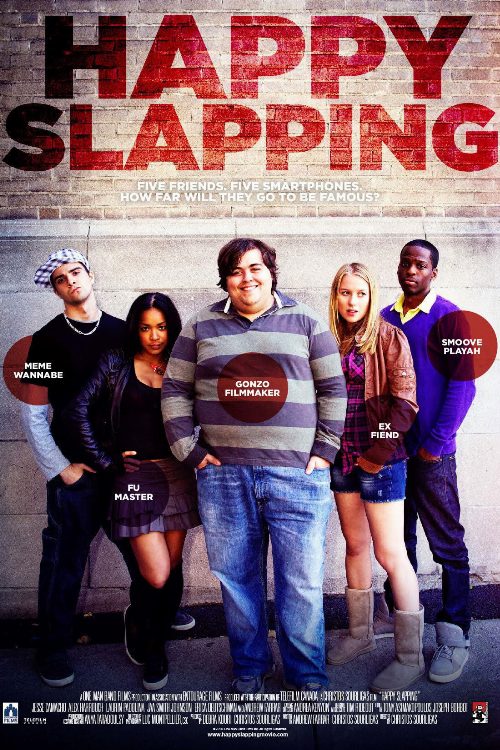
About Happy Slapping
Five suburban youths embark on a night of violence in the city, attacking unsuspecting victims while recording the assaults on smartphones.
The chilling allure of digital validation serves as the primary catalyst in Happy Slapping, a 2013 drama that examines the dark intersection of aimless youth culture and the invasive nature of modern technology. By tracing the trajectory of a group of teenagers who trade morality for viral notoriety, the film constructs a grim portrait of how the pursuit of online fame can erode basic human empathy. Unlike traditional crime thrillers that focus on criminal masterminds or high-stakes heists, this narrative chooses to dwell on the mundane cruelty of suburban stagnation. It captures a specific moment in the early smartphone era when the ability to broadcast oneself began to override the consequences of one's actions, making it an unsettling precursor to contemporary debates regarding social media ethics and the performative nature of violence.
The film functions as a stark character study, grounding its disturbing premise in the lived experiences of its young ensemble cast, including Jay Farrar and Jesse Camacho. For viewers who appreciate hard-hitting independent cinema that prioritizes psychological unease over stylized action, this project offers a sobering look at how group dynamics can turn casual boredom into systemic aggression. It avoids the temptation to glamorize the protagonists, instead opting for a clinical gaze that forces the audience to confront the disconnect between the screen and the reality of physical harm. This approach aligns it with a global trend of gritty, low-budget social dramas that seek to hold a mirror up to the disenfranchised youth, stripping away the polish often found in larger studio productions.
While the landscape of Indian cinema has frequently explored the complexities of urban alienation and the pressures of youth, this English-language feature provides an interesting comparative point for those interested in international storytelling styles. The film excels at depicting the claustrophobia of suburban life, a theme that resonates across various cinematic traditions, from the regional outputs of the Indian film industries to independent Western dramas. It is a recommended watch for those who prefer stories that challenge the viewer to analyze the motivations behind senseless behavior rather than simply observing the aftermath. By focusing on the psychological erosion of its subjects, the production manages to be both a period piece of the early digital age and a timeless warning about the cost of living life solely for the benefit of an invisible, judgmental audience.
Cast(22)