About Hare Lift
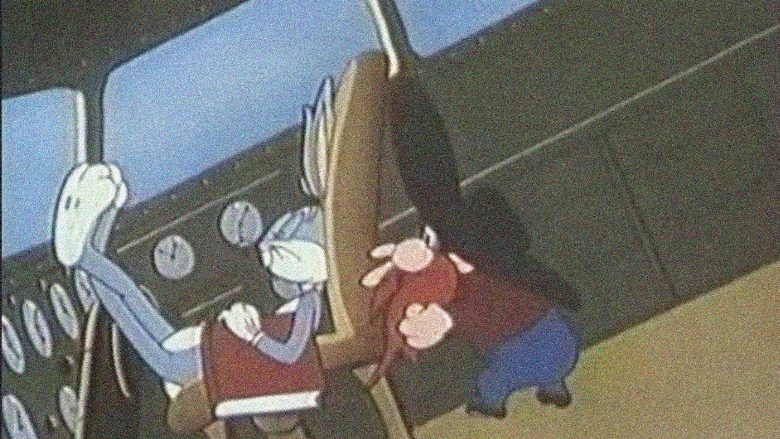
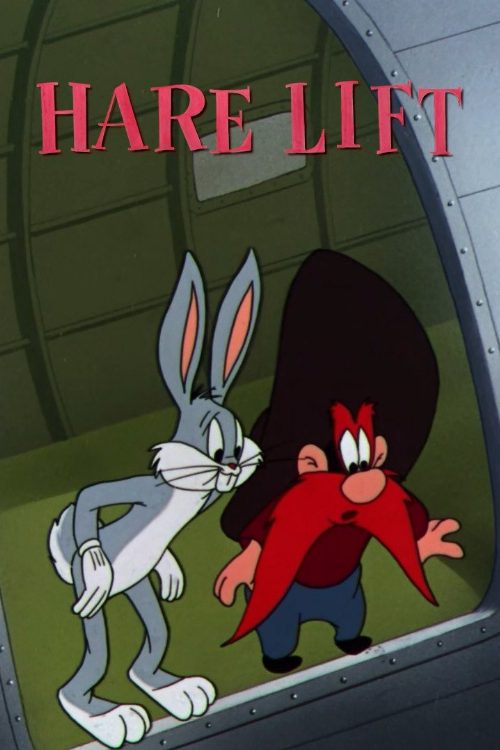
Bank robber Yosemite Sam forces Bugs to try to fly the largest airplane in the world.
Mid-century animation remains a gold standard for kinetic storytelling, and Hare Lift stands as a quintessential artifact of the golden age of the Warner Bros studio. Directed by the legendary Friz Freleng, this short film showcases the impeccable comedic timing that defined the era, pitting the blustery, short-tempered Yosemite Sam against the cool, unflappable wit of Bugs Bunny. While many contemporary audiences might associate these characters with Saturday morning nostalgia, the technical precision behind this 1952 production offers a masterclass in visual gag construction. The narrative hook—a high-stakes hijacking involving a massive aircraft—serves primarily as a canvas for the escalating absurdity that occurs when a desperate outlaw tangles with a rabbit who simply refuses to be intimidated.
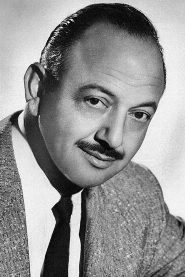
In the broader scope of global cinema, it is fascinating to observe how these American animated shorts often mirrored the same structural DNA found in the slapstick traditions of early Indian physical comedy. Much like the regional icons of Telugu or Tamil cinema who rely on iconic character tropes to anchor a film, the success of this short hinges entirely on the established, recognizable personas of its leads. Mel Blanc delivers a tour de force performance, providing the vocal foundation that allows the animation to feel grounded despite the outlandish premise. For viewers who appreciate the history of the medium, the film is a perfect example of how limitations in scale and setting were transformed into creative opportunities by focusing on character dynamics rather than complex plotting.
Modern cinephiles and animation enthusiasts alike will find plenty to admire here, as the film serves as a bridge between classic vaudeville theater and the evolving language of television animation. It is an ideal watch for those interested in the evolution of the archetypal underdog story, where the protagonist manages to outsmart a significantly more powerful adversary through sheer audacity. By prioritizing rhythmic timing over literal logic, Freleng ensures that the experience remains perpetually engaging, even decades after its debut. Whether one is a devotee of Western animation history or simply seeking a brisk, clever narrative to analyze, this piece remains a vital entry in the library of cartoon classics. It captures a specific moment in entertainment history where the intersection of voice acting and hand-drawn movement reached a peak of artistic synergy that continues to influence the craft of storytelling today.