Heart Beat(1980)
About Heart Beat
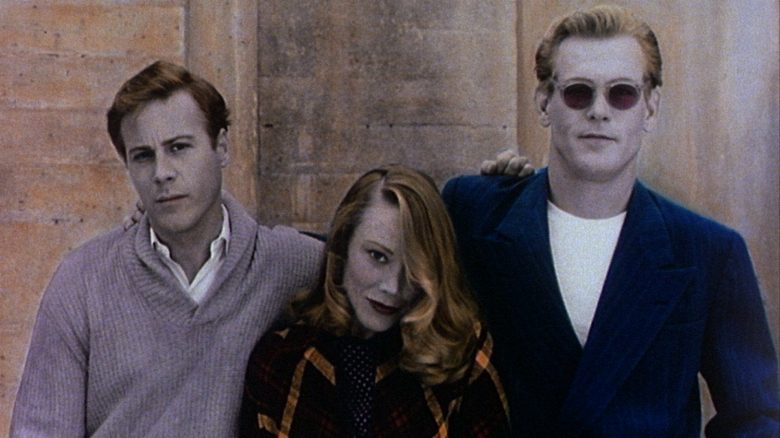
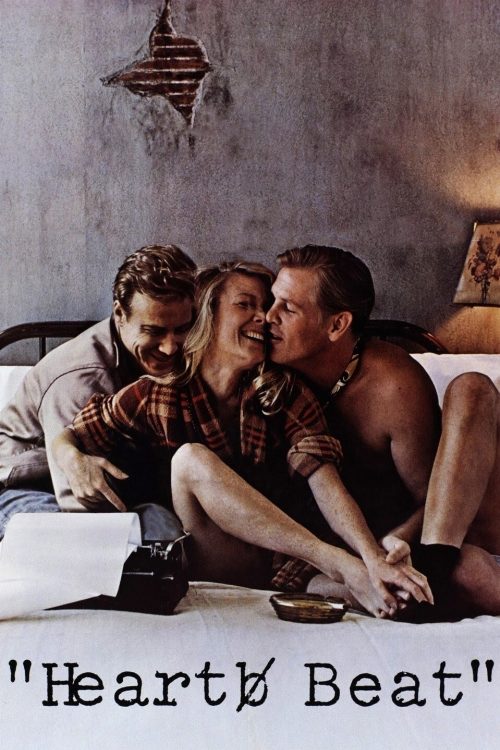
An exploration of the relationship between Beat Generation writers Jack Kerouac and Neal Cassady, and Cassady's wife, Carolyn.
The cultural ripple effects of the mid-twentieth century literary underground remain a fascinating subject for modern cinema, particularly when examining the volatile intersection of creative genius and personal instability. Heart Beat serves as a time capsule of the post-war American counterculture, focusing on the tangled emotional lives of the iconic figures who defined the Beat Generation. By centering the narrative on the domestic reality behind the mythic prose, the film shifts the lens away from the open road and toward the intimate, often destructive, dynamics between three specific individuals. For audiences accustomed to the high-octane storytelling of contemporary Indian cinema, where ensemble dramas often rely on familial duty or grand romantic gestures, this film offers a starkly different texture. It presents a world defined by intellectual restlessness, existential longing, and the fraying edges of traditional societal expectations during a transformative era in Western history.
Nick Nolte and Sissy Spacek anchor the production with raw, unvarnished intensity, capturing the magnetic pull and subsequent fallout inherent in their characters unconventional union. Their performances elevate the material, transforming what could have been a mere biographical sketch into a poignant character study about the heavy cost of artistic liberation. Because the film avoids the trap of glorifying its subjects, it resonates as a cautionary tale about the incompatibility of absolute freedom and deep human connection. John Heard rounds out the core trio, providing a necessary foil that underscores the friction between the need for stability and the drive for constant, chaotic inspiration. This dynamic will likely appeal to viewers who appreciate character-driven narratives that prioritize emotional authenticity over conventional plot progression.
The historical gravity of this project is bolstered by a directorial approach that prioritizes the grit of the era over nostalgic stylization. While Indian cinema has recently seen a surge in period dramas that meticulously recreate historical settings for grand visual impact, this film operates with a more stripped-down, gritty aesthetic that feels remarkably grounded. It is a vital watch for film enthusiasts who wish to understand the foundations of the bohemian archetype that continues to influence storytelling across global industries today. By dissecting the psychological interplay of these literary titans, the film provides a window into the vacuum that exists when the desire for a legacy outweighs the preservation of one's own sanity. It remains a compelling piece of work for those interested in the darker, more introspective side of the creative spirit, serving as a reminder that the most revolutionary stories are often born from the most fractured lives.
Cast(23)