About Hearts of Gold
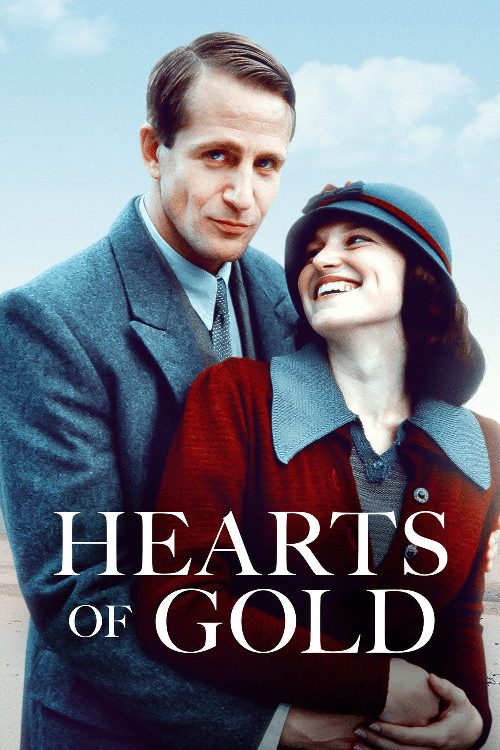
An old-fashioned love story set in the South Wales valleys during the 1930s. Well-to-do doctor Andrew joins his father's infirmary, and in miner's daughter Bethan finds a spirit lacking in his previous girlfriends. The two fall in love, but their differing backgrounds prove a major sticking point.
Venturing into the lush, coal-dusted landscapes of the 1930s South Wales valleys, Hearts of Gold offers a nostalgic look at a class-divided romance that feels both timeless and deeply rooted in its specific era. While contemporary Indian cinema often explores the tension between tradition and modernity through the lens of urban versus rural divides, this British television drama mirrors those same social anxieties. The narrative centers on a physician returning to his roots, only to discover a profound emotional connection with a young woman from a working-class mining family. This dynamic is a staple of period romantic dramas, yet it remains a compelling hook because it forces characters to reckon with the rigid societal expectations of their time, a theme that resonates just as strongly in current Telugu or Hindi social dramas that grapple with similar barriers of status and heritage.
The production captures a palpable sense of period authenticity, relying on the chemistry between the leads to anchor the conflict between professional duty and personal desire. For viewers who appreciate the slow-burn emotional stakes found in classic literature adaptations or period pieces, this film serves as a refined exercise in restraint. It avoids the bombast of modern blockbusters in favor of intimate character studies, allowing the performances of Geraldine James and Judy Parfitt to add a layer of gravitas that elevates the material beyond a simple love story. The film is positioned as a sentimental journey for those who enjoy historical settings where the environment itself functions as an obstacle to the protagonists' happiness.
Those who find themselves drawn to the recent surge in global historical dramas will likely appreciate how the film frames its central conflict. By focusing on the friction between a doctor from a privileged background and a woman whose life is shaped by the grueling realities of the mines, the story highlights the universal struggle for autonomy. As global audiences continue to show a renewed appetite for character-driven storytelling, the legacy of projects like this serves as a reminder of how effectively regional history can be translated into relatable human drama. It is a thoughtful, quiet watch for an evening when the priority is narrative depth over spectacle, providing a window into a bygone era that still feels surprisingly relevant to our own ongoing discussions about social mobility and the ways in which love must navigate the structures of a changing world.
Cast(28)