About Hide in Plain Sight
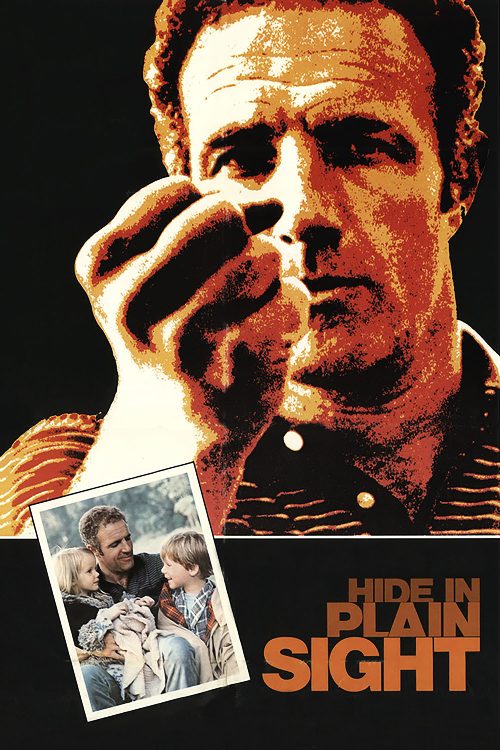
True story of a man in search of his children after his ex-wife enters the Witness Protection Program.
The haunting reality of bureaucratic indifference serves as the emotional anchor for Hide in Plain Sight, a film that explores the devastating human cost of the federal witness relocation system. Released in 1980, this drama eschews typical procedural tropes to focus instead on the quiet, agonizing struggle of a working class father whose life is upended by forces he cannot control or comprehend. While modern cinema often treats the Witness Protection Program as a backdrop for high-octane thrillers or dark comedies, this production remains grounded in a stark, naturalistic aesthetic that emphasizes the isolation of a man suddenly stripped of his parental rights by legal maneuvers he never saw coming. It is a poignant study of resilience, capturing the specific anxieties of an era where state power could easily eclipse individual autonomy.
The film serves as a compelling bridge between the gritty character studies of seventies American cinema and the more emotionally resonant domestic dramas that would follow. By centering the narrative on the perspective of the parent left behind, it sidesteps the sensationalism that often plagues stories about informants and criminal underworlds. Instead, the audience is invited to navigate the labyrinthine frustration of the legal system alongside the protagonist. For viewers who appreciate films that prioritize raw, understated performances over flashy set pieces, this work offers a masterclass in tension derived from everyday frustration. It is a quintessential selection for those who follow the evolution of the independent spirit in Hollywood, showcasing how a seemingly small personal tragedy can reflect broader societal tensions regarding privacy and the reach of government intervention.
James Caan, who directed the project and starred in the lead role, brings a rugged sincerity to the screen that feels entirely distinct from his work in mob epics. His commitment to portraying the ordinariness of his character makes the eventual disappearance of his family feel all the more jarring. The direction is purposeful, avoiding melodramatic flourishes in favor of a somber, observant style that lingers on the quiet spaces of a vacant home. This is not a film meant for those seeking escapist entertainment, but rather for cinephiles who value narratives that examine the ethical gray areas of institutional justice. By focusing on the fracture of a family unit rather than the spectacle of the protection program itself, the film creates a lasting impression of loss that resonates long after the credits roll. It remains a notable entry in the landscape of late twentieth-century drama for its unwavering focus on the individual against an faceless machine.
Cast(59)