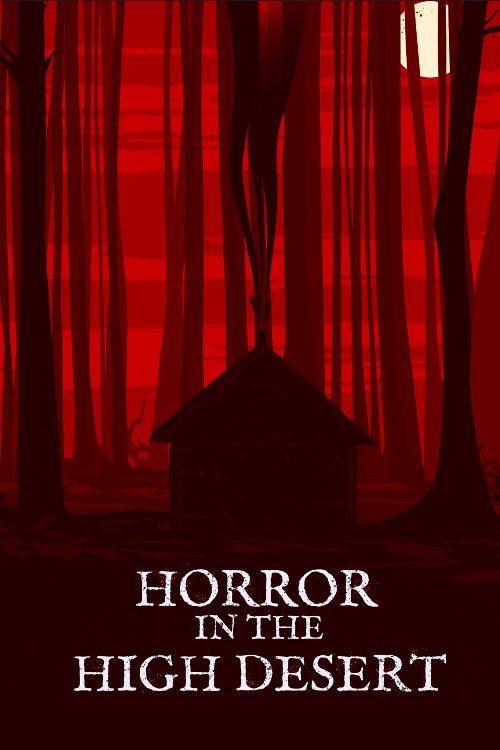
About Horror in the High Desert
In July 2017, an experienced outdoor enthusiast vanished in Northern Nevada while on an outdoor excursion. After an extensive search, he was never located. On the three-year anniversary of his disappearance, friends and loved ones recall the events leading up to his vanishing, and for the first time, speak about the horrifying conclusion of his fate.
The chilling allure of the unknown often finds its most potent expression in the format of a faux documentary, and Horror in the High Desert masterfully exploits this unsettling reality. By grounding its narrative in the cold, clinical language of a true crime investigation, the film creates an atmosphere of dread that feels uncomfortably authentic. It follows the mysterious case of a seasoned outdoorsman who steps into the vast, unforgiving Nevada wilderness and simply ceases to exist. While the Indian film industry has recently seen a surge in high-concept supernatural thrillers and folk horror, this production serves as a masterclass in how to build tension through minimalist storytelling, proving that what remains unseen is frequently far more terrifying than any elaborate visual effect.
The strength of this project lies in its commitment to the found footage aesthetic, which echoes the grit seen in regional Indian investigative dramas that rely on procedural realism to heighten emotional stakes. For audiences who appreciate the slow-burn psychological tension found in acclaimed Malayalam or Kannada suspense films, this experience will feel both familiar and uniquely jarring. It avoids the jump-scare reliance common in mainstream horror, opting instead for a methodical assembly of interview snippets and recovered digital files. This structure invites the viewer to play detective, piecing together a puzzle that refuses to resolve into a comfortable picture, effectively turning the vast desert landscape into a character that feels both indifferent and predatory.
Director Dutch Marich succeeds by treating the subject matter with a somber gravity, distancing the work from the typical tropes of slasher cinema. It is an ideal watch for those who prefer cerebral storytelling over spectacle, particularly fans of the mockumentary genre who enjoy dissecting the blurred lines between fiction and archival recreation. Given the rising popularity of investigative thrillers across global streaming platforms, this film stands out as a lean, effective entry that prioritizes atmosphere over exposition. It is a haunting reminder that in the right hands, a handful of distorted images and witness testimonies can construct a nightmare far more enduring than any traditional cinematic monster. Those looking for a film that lingers long after the credits roll will find this bleak, documentary-style descent into the wilderness a compelling addition to their watchlist.