
Hot Spring Ghost(1964)
About Hot Spring Ghost
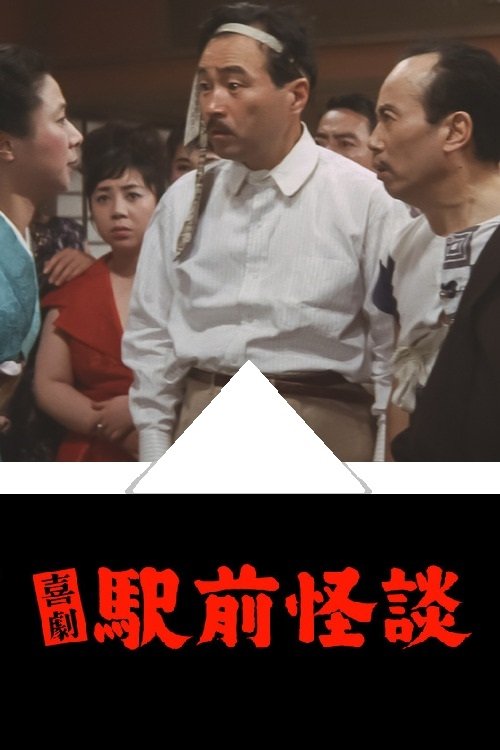
Eighth in the Ekimae series, portraying competition between two hot spring resort owners in Yamanashi.
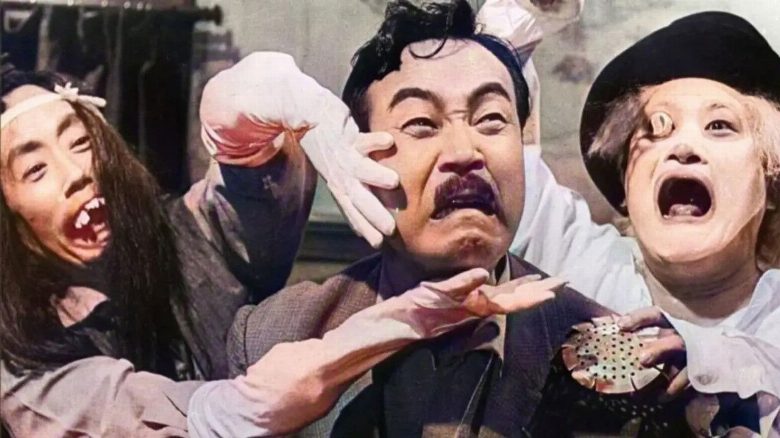
The golden age of Japanese comedy often found its greatest strength in the recurring antics of familiar faces, and Hot Spring Ghost stands as a quintessential example of this lighthearted tradition. As the eighth installment in the long-running Ekimae franchise, the film leans into the specific charm of the hot spring resort industry, a setting that frequently served as a backdrop for the era's most popular escapist cinema. By focusing on the petty rivalries and logistical headaches inherent in managing these traditional bathhouses, the narrative captures a slice of Japanese life defined by post-war economic optimism and social jostling. It is a world where the stakes are rarely life-threatening, but the comedic pressure is always turned up to a boiling point.
The film relies heavily on the crackling chemistry between its primary leads, Hisaya Morishige, Frankie Sakai, and Junzaburo Ban, who were legendary figures in the entertainment landscape of 1960s Japan. Their ability to balance slapstick physical comedy with sharp, observational banter makes the film a compelling watch for those interested in the evolution of regional humor. While contemporary viewers might find the pacing distinct from modern rapid-fire comedies, the intentional rhythm of the performances offers a fascinating window into how Japanese studios cultivated star power through sustained character arcs across multiple pictures. The environment of a bustling Yamanashi resort provides the perfect stage for these veteran performers to showcase their timing, turning what could have been a simple business dispute into a series of delightful misunderstandings.
Audiences who appreciate vintage international cinema or those with an interest in the structural patterns of classic ensemble comedies will find much to admire here. It functions as both a time capsule of a bygone era in travel and leisure and a masterclass in the kind of character-driven storytelling that defined regional studio outputs during the mid-twentieth century. For fans of the Ekimae series, the film serves as a vital chapter that reinforces the central themes of competition and cooperation that kept audiences returning to theaters year after year. It is a testament to the enduring appeal of stories that find humor in the mundane struggles of work life, anchored by a trio of actors who understood exactly how to turn a quiet retreat into a chaotic, hilarious, and memorable experience for everyone involved.



