About How to Divorce During the War
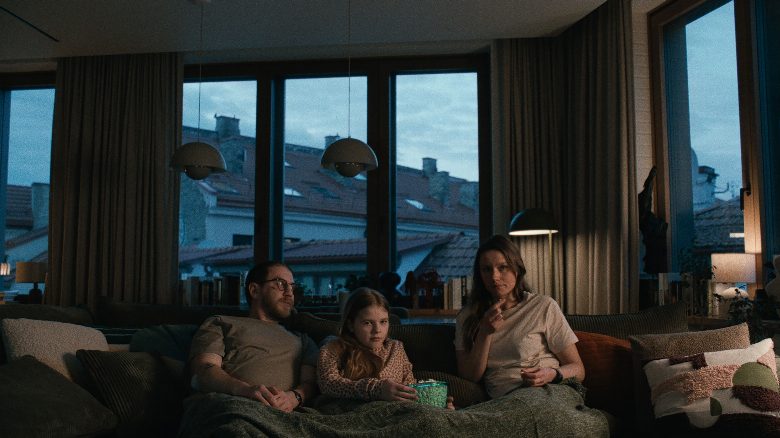
Vilnius 2022. High-flying executive Marija chooses the worst possible moment for an honest conversation with her husband Vytas about divorcing - just one day before Russia’s invasion of Ukraine goes into full scale. Now they must navigate the process of separation as it collides with a refugee and mid-life crisis.
The shadow of geopolitical upheaval casts a long pall over the intimate dissolution of a marriage in the upcoming Lithuanian drama How to Divorce During the War. Directed by Andrius Blazevicius, the film captures the jarring dissonance between personal domestic collapse and the sudden, terrifying reality of regional instability. While Indian cinema often explores the intersection of family conflict and social turmoil, this project offers a distinct European perspective on how the macro-level anxiety of an impending conflict forces individuals to recalibrate their private priorities. By setting the narrative against the backdrop of the 2022 Russian invasion of Ukraine, the story highlights the absurdity of pursuing individual grievances when the world outside feels as though it is fracturing in real time.
The film relies on the nuanced performances of Indre Patkauskaite and Marius Repsys, who navigate the uncomfortable terrain of a relationship that has outlived its purpose even as their environment descends into panic. For audiences familiar with the high-stakes emotional dramas coming out of the Malayalam or Telugu industries, this film provides a similarly intense character study, albeit one rooted in the specific anxieties of Baltic history and contemporary geopolitical proximity. It is not merely a tale of two people drifting apart; it is an examination of the human tendency to focus on singular, manageable crises—like a mid-life identity shift or a messy separation—as a defense mechanism against the overwhelming chaos of mass displacement and war.
Viewers who appreciate slow-burn narratives that prioritize psychological realism over cinematic spectacle will find much to admire here. Blazevicius demonstrates a keen eye for the micro-tensions of a household undergoing a total paradigm shift, making it an essential watch for those interested in international cinema that bridges the gap between the internal and the external. The project positions itself as a poignant reminder that life does not pause for history, and sometimes, the most profound revelations about our partners arrive at the exact moment we are forced to confront our own fragility. Whether you are a fan of world cinema or simply drawn to complex portrayals of human connection under pressure, this film promises a sobering look at how we attempt to untangle our lives while the ground beneath us trembles.