About How Women Love
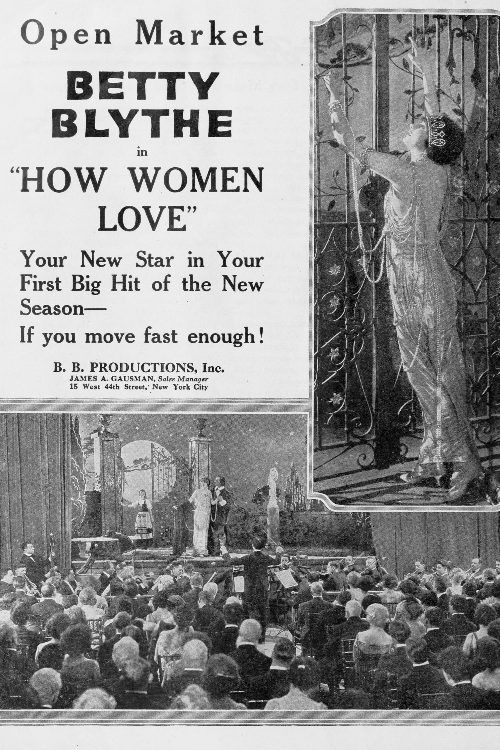
Singer Rosa Roma signs a contract with backer Ogden Ward, forbidding love, public appearances, and using her real name. She breaks the contract by falling for composer Griffith Ames, starring in his opera, leading to conflict, a stolen ruby necklace, false accusations against Ames, and ultimately, their reunion after the real thief confesses.
Stepping back into the silent era of 1922, How Women Love serves as a fascinating relic of early Hollywood melodrama, capturing the tensions between artistic ambition and personal autonomy. The narrative centers on the rising star Rosa Roma, who finds herself ensnared in a restrictive professional arrangement with a powerful benefactor. This contract is not merely a business document but a cage, dictating her public persona and forbidding the very human emotion of romantic connection. When she chooses to defy these cold, calculated constraints for the sake of a composer, the film shifts from a character-driven drama into a high-stakes entanglement involving crime and reputation. It serves as a stark reminder of how early cinema often utilized the backdrop of the opera world to explore the vulnerability of women navigating predatory power structures.
For modern viewers accustomed to the rapid pacing of contemporary Indian cinema, such as the grand musical narratives found in Telugu or Hindi industries, this film offers a unique study in visual storytelling. Without the aid of spoken dialogue, the actors rely on heightened gestures and expressive cinematography to convey the internal struggle between duty and passion. The inclusion of a stolen heirloom and a subsequent framing plot adds a layer of noir-adjacent intrigue to the central romance, keeping the stakes elevated throughout the runtime. It is a quintessential example of the era’s penchant for layering domestic heartaches over external, plot-driven crises, a stylistic choice that remains a staple in dramatic storytelling across global cinemas today.
The lead performance by Betty Blythe carries the weight of the film, as she balances the fragility required by the period with the steely resolve of a woman determined to claim her own destiny. Audiences who appreciate the history of the silver screen will find the technical constraints of the 1920s particularly compelling, as the film demonstrates how filmmakers once used limited tools to weave complex webs of betrayal and reconciliation. While the tropes of the forbidden romance and the misunderstood artist are familiar to fans of classic global dramas, the specific setting of the early twentieth-century stage provides a distinct aesthetic flavor. This is an essential watch for those interested in the evolution of the female protagonist, as it highlights a transition away from passive archetypes toward characters who actively challenge the systems designed to suppress them.
Cast(14)