

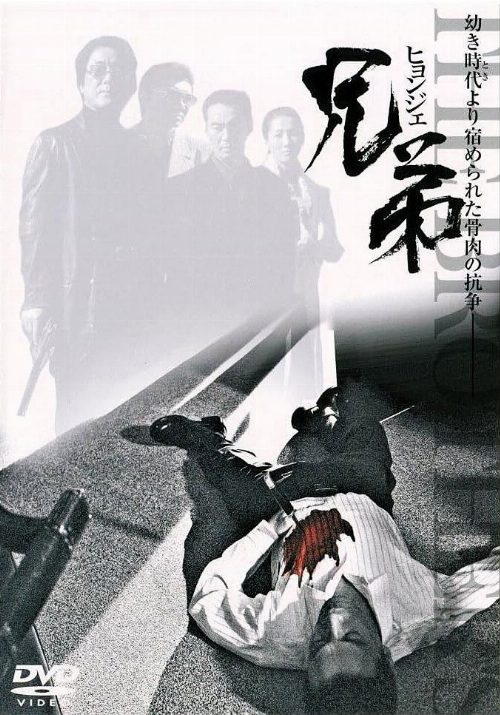
Hyeongje(2007)
About Hyeongje
A Korean-Japanese executive within the Yamamoto-gumi faction of the Takemori-kai, loses his boss in a succession battle. Convinced his death was orchestrated by Eiji Miura, head of the Miura Alliance within the same organization, Ryuichi heads to Busan, South Korea, where Miura is hiding.
The gritty intersection of yakuza underworld politics and cross-border tension finds a visceral outlet in the 2007 production Hyeongje. While many crime dramas focus on the local power struggles of Japanese syndicates, this film distinguishes itself by bridging the geographical and cultural divide between Japan and South Korea. By following an expatriate lieutenant caught in the wake of a brutal succession vacuum, director Lee Joon-ho crafts a narrative that feels less like a conventional genre exercise and more like a noir-infused meditation on loyalty and displacement. The film moves beyond the typical neon-lit streets of Tokyo to capture the stark, harbor-side atmosphere of Busan, grounding its high-stakes vengeance quest in a reality that feels both cold and calculated.
The strength of the film lies in its ability to navigate the complex internal hierarchies of organized crime without losing the personal stakes of its protagonist. Ryuichi, portrayed with a brooding intensity, serves as the perfect vessel for an audience to experience the friction between ancestral roots and professional obligations. For fans of hard-boiled cinema who appreciate the stylistic influence of early nineties gangster sagas, this movie offers a masterclass in tension building. It is a work for those who prefer their character studies served with a side of cold-blooded retribution, eschewing flashy action sequences in favor of a simmering, psychological chess match. The ensemble cast, featuring established names like Jung Ho-bin and Lee Seo-jin, ensures that the weight of the betrayal is felt in every frame, making the shifting alliances within the Takemori-kai feel genuinely perilous.
In the current landscape of global cinema, where the lines between regional industries continue to blur, Hyeongje stands as a testament to the power of international collaboration in storytelling. It captures a specific moment in the mid-2000s when narratives exploring the Korean diaspora within Japan were gaining newfound gravity in the crime genre. Viewers who enjoy films that demand patience, rewarding close attention to dialogue and non-verbal cues, will find this a compelling watch. It is not merely a story about a man seeking justice for a fallen mentor, but an exploration of what happens when an individual is pushed to the margins of two distinct societies. By focusing on the quiet desperation of its lead character rather than relying solely on pyrotechnics, the film earns its place as a sophisticated entry in the canon of contemporary Asian crime thrillers, maintaining a sharp focus on the psychological toll of a life spent in the shadows.



