About I 4 moschettieri
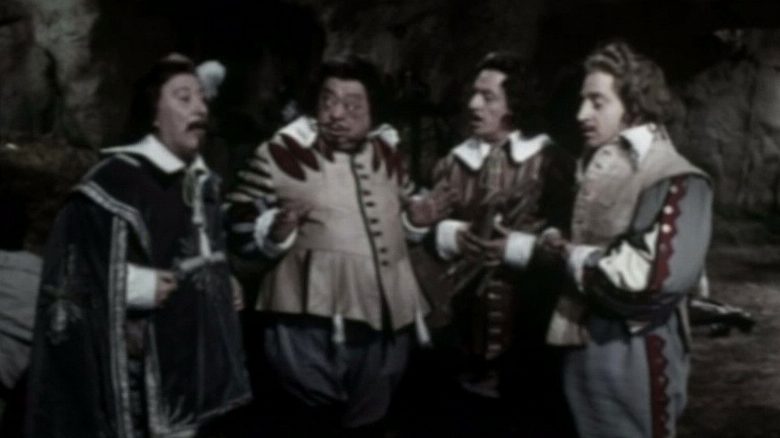
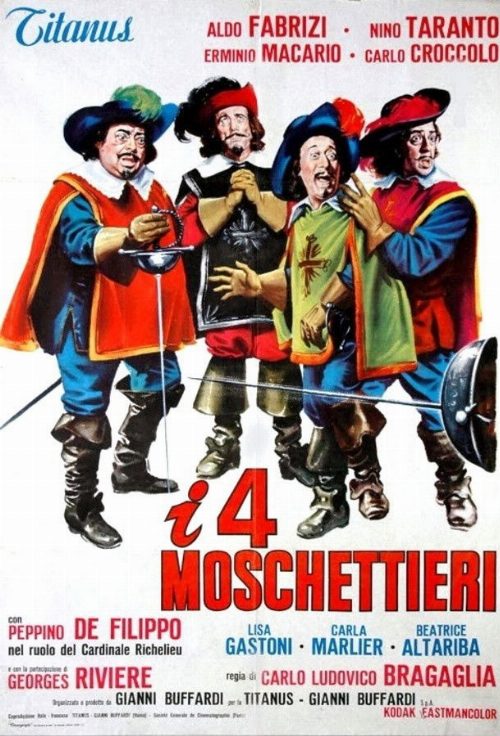
4 con men take the place of the real musketeers and manage to steal the Queen's necklace but then give it back to her, moved by her tears.
In the vibrant landscape of mid-century Italian cinema, Carlo Ludovico Bragaglia crafted a comedic spectacle that reimagines classic literary tropes through the lens of pure satire. I 4 moschettieri stands as a testament to the golden age of the commedia all'italiana, where the grandiosity of historical adventure is punctured by the bumbling antics of opportunistic swindlers. By placing a group of petty grifters in the iconic roles of legendary sword-wielders, the film manages to bridge the gap between high-stakes period drama and the slapstick humor that defined the era. It is a refreshing departure from the earnest adaptations of Alexandre Dumas, trading noble heroism for the desperate, often hilarious, schemes of men who are clearly out of their depth.
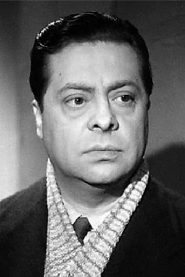
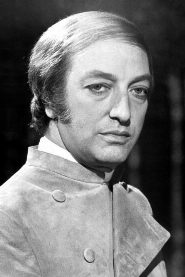
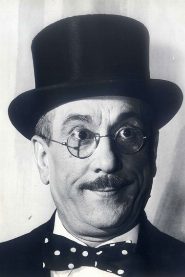
The film relies heavily on the charisma of its ensemble cast, led by the legendary Aldo Fabrizi, whose presence grounds the absurdity in a recognizable human frailty. While modern audiences often associate Italian cinema of this period with the stark realism of neorealism, this production reminds us that the industry was simultaneously perfecting the art of the commercial crowd-pleaser. For viewers who enjoy the lighthearted energy of regional Indian entertainers—where larger-than-life characters often find themselves in precarious, comedic situations—this Italian gem offers a familiar rhythm of chaos and redemption. Its appeal lies in the transformation of its protagonists; watching cynical con artists grapple with a sudden onset of moral clarity provides a satisfying emotional arc that transcends language barriers.
Bragaglia, a director known for his versatility and ability to maneuver through various genres, brings a polished technical hand to this farce. The decision to frame the narrative around the theft and eventual return of a royal trinket allows the film to maintain a brisk pace, ensuring that the comedic setups never overstay their welcome. It is an ideal watch for those who appreciate the intersection of historical pastiche and character-driven comedy. By prioritizing wit and situational irony over rigid plot structure, the movie captures a specific flavor of escapism that remains relevant for cinephiles interested in the evolution of European comedy. As we look back at the global history of filmmaking, works like this serve as a crucial reminder that even the most prestigious historical icons are fair game for a bit of irreverent, well-meaning mockery.
Cast(19)