
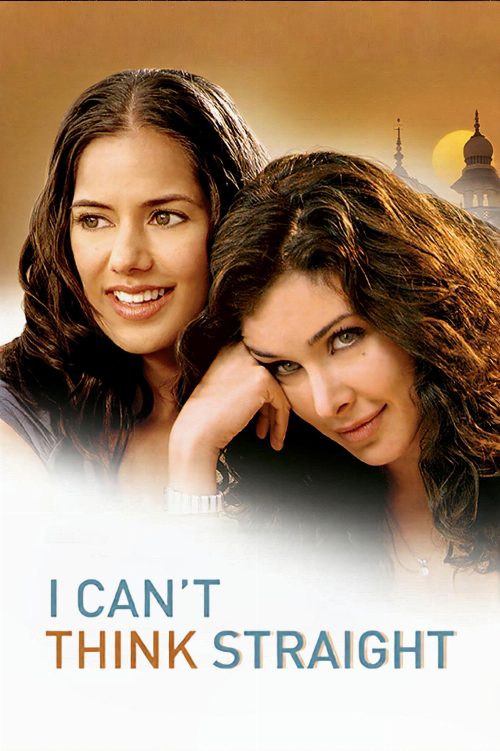
I Can't Think Straight(2008)
About I Can't Think Straight
Tala, a London-based Palestinian, is preparing for her elaborate Middle Eastern wedding when she meets Leyla, a young British Indian woman who is dating her best friend. Spirited Christian Tala and shy Muslim Leyla could not be more different from each other, but the attraction is immediate and goes deeper than friendship. But Tala is not ready to accept the implications of the choice her heart has made for her and escapes back to Jordan, while Leyla tries to move on with her new-found life, to the shock of her tradition-loving parents. As Tala's wedding day approaches, simmering tensions come to boiling point and the pressure mounts for Tala to be true to herself.
Few cinematic romances manage to balance the heavy weight of cultural expectation with the lightness of a budding attraction as gracefully as I Can't Think Straight. Released in 2008, the film carves out a distinct space in the romantic drama genre by exploring the intersection of heritage, faith, and personal identity. At its heart, the narrative follows two women from vastly different backgrounds whose lives collide in London, sparking a connection that challenges the carefully constructed lives they have built around them. While the premise may sound like a classic tale of star-crossed lovers, the film distinguishes itself by focusing on the specific pressures faced by women living within traditional Middle Eastern and South Asian communities, where the demands of family and duty often stand in direct opposition to individual desire.
The chemistry between Lisa Ray and Sheetal Sheth serves as the emotional anchor of the movie, providing a grounded reality to the complex internal dilemmas their characters face. For audiences familiar with the broader landscape of contemporary world cinema, this film feels like a precursor to the modern wave of stories that center on queer experiences within diaspora communities. It is particularly interesting to see how the film navigates the clash between the rigid expectations of family life and the liberating, yet terrifying, prospect of authenticity. The direction leans into the nuances of these cultural tensions, making the eventual personal reckoning feel both inevitable and deeply earned. It avoids becoming a heavy-handed lecture, opting instead for a character-driven approach that prioritizes the internal evolution of its leads over mere melodrama.
Viewers who enjoy character-focused dramas that prioritize emotional vulnerability over high-concept spectacle will likely find this film deeply engaging. It is an excellent choice for those who appreciate stories that delve into how geography and upbringing shape our capacity to love. By highlighting the courage required to defy long-standing traditions, the film resonates well beyond its initial release, remaining a relevant watch for anyone interested in the complexities of modern relationships. Whether you are a fan of international cinema or simply looking for a thoughtful exploration of love against the backdrop of societal pressure, the film offers a compelling look at the power of self-acceptance. It stands as a testament to the idea that true freedom often begins with the difficult decision to stop living for the approval of others and start listening to the quiet, insistent voice of one's own heart.
Cast(17)