I Married a Monster(1998)
About I Married a Monster
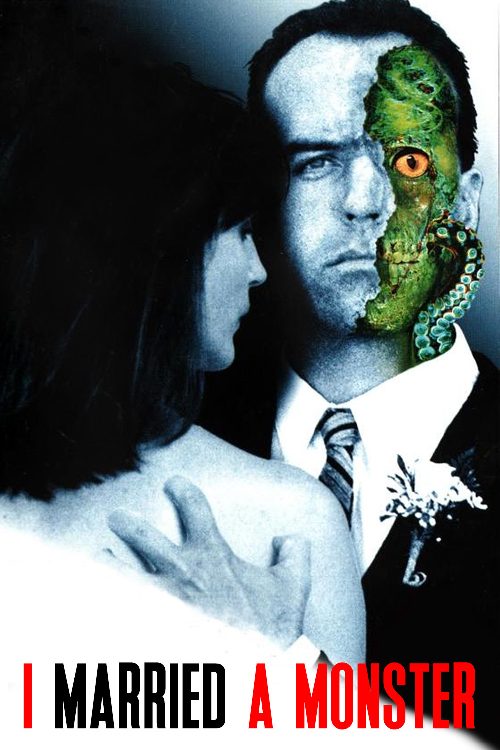
Kelly's new husband Nick begins behaving oddly, showing a surprising desire to make babies and shun his drinking buddies. Little does she know he's not entirely himself.
The unsettling transformation of a seemingly ideal spouse serves as the narrative engine for I Married a Monster, a 1998 television production that taps into the primal fear of the stranger sleeping next to you. While many domestic thrillers rely on psychological tension or gaslighting, this film leans into the realm of science fiction horror to externalize the anxieties surrounding marital intimacy. The story follows a woman who notices a radical shift in her husband after their wedding, moving away from his usual social habits toward a singular, obsessive focus on starting a family. By grounding these bizarre behavioral changes in a speculative premise, the film explores the terrifying realization that the person one has chosen to spend a lifetime with might be hiding a truly alien identity beneath a familiar exterior.
This specific era of American television drama often blended suburban malaise with high-concept genre elements, and this project stands as a curious relic of that trend. For fans of global cinema who appreciate the way Indian industries like the Telugu or Tamil sectors frequently experiment with supernatural twists in family dramas, this film offers a similar, albeit western-centric, bridge between domestic realism and extraterrestrial dread. It functions as a cautionary fable about the lack of true knowledge we possess regarding those we love, reflecting a timeless theme that resonates across all cultures. The direction by Nancy Malone prioritizes a steady, creeping sense of unease rather than relying on frantic pacing, allowing the audience to feel the protagonist’s growing isolation within her own home.
Viewers who enjoy character-driven horror that prioritizes atmosphere over explosive action will likely find the most value here. The film is tailored for those who appreciate the slow-burn suspense found in classic genre television, where the threat is not just physical but existential. It serves as a stark reminder of the vulnerability inherent in romantic commitment, especially when the partner in question begins to prioritize strange, biological imperatives over human connection. By avoiding the common trappings of modern jump-scare cinema, the production maintains a focused, claustrophobic energy that keeps the viewer questioning the reality of the situation until the very end. It remains a fascinating look at how mid-nineties television utilized science fiction metaphors to examine the fragile nature of trust, making it a worthwhile watch for enthusiasts of vintage speculative fiction.
Cast(11)