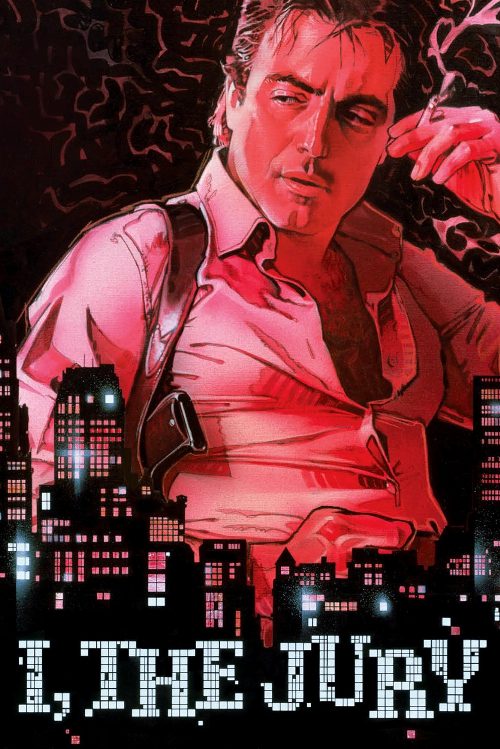
I, the Jury(1982)
About I, the Jury
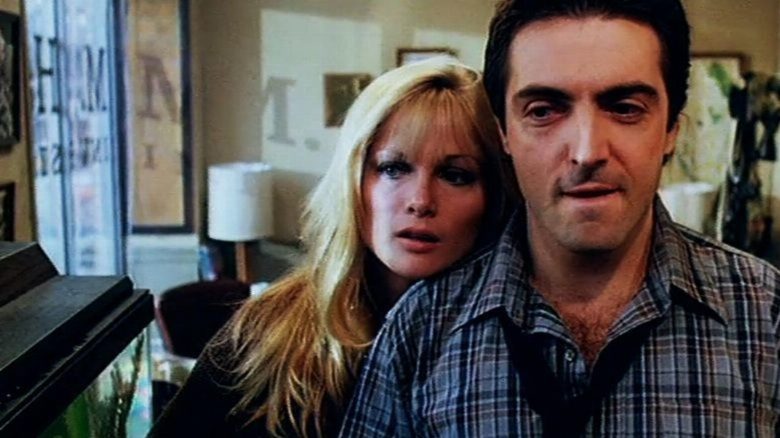
Jack Williams was the best friend of Vietnam veteran and detective Mike Hammer. When Jack is murdered, Mike makes it his business to solve the crime. He is helped by his secretary Velda, and partly helped, partly hindered by the Chief of Police, Pat Chambers. On the trail of the killer, Mike discovers government conspiracies, and plots used by the CIA and the Mafia.
Hardboiled detective fiction found a jagged, neon-soaked evolution in the early eighties with the release of I, the Jury. While audiences today might associate the rough-hewn private investigator archetype with the gritty noir classics of the past, this particular adaptation of the Mickey Spillane novel captures a distinct transition period in American cinema. Set against the backdrop of post-Vietnam cynicism, the film trades in the shadows and cigarette smoke of traditional detective tropes but injects them with a high-octane, visceral energy that defines the action-thriller sensibilities of its era. For fans of Indian cinema who appreciate the raw, investigative intensity found in modern Malayalam or Tamil neo-noirs, this film offers a fascinating look at the stylistic DNA that often influences contemporary vigilante narratives.
The story follows Mike Hammer, a man whose personal code is tested when his closest comrade is brutally silenced. What begins as a straightforward hunt for justice quickly spirals into a labyrinthine web involving shadowy intelligence agencies and organized crime syndicates. Unlike the polished, sanitized heroes seen in many blockbusters of that time, Hammer operates in a world where moral boundaries are blurred and trust is a rare commodity. The dynamic between the protagonist and his loyal associate Velda provides the necessary emotional grounding, while his volatile relationship with law enforcement adds a layer of friction that keeps the pacing tight. Viewers who enjoy stories centered on a singular, relentless force of nature navigating a corrupt urban landscape will find the relentless pursuit here particularly compelling.
Director Richard T. Heffron navigates this dense plot with an eye for the explosive, ensuring that the mystery remains secondary to the sheer impact of the confrontation. Much like the intense, performance-driven dramas currently dominating the pan-Indian market, the success of this film rests heavily on the charisma of its lead. Armand Assante, playing the iconic investigator, brings a frantic, modern vitality to a role that had previously been defined by more stoic portrayals. By choosing to lean into the more aggressive, visceral elements of the source material, the film distinguishes itself as a product of its time—a bold attempt to modernize pulp literature for an audience that demanded higher stakes and faster movement. It remains a quintessential watch for those interested in the evolution of the hardboiled detective genre and the way crime fiction mirrors the underlying paranoia of its cultural moment.
Cast(50)