
If These Walls Could Talk 2(2000)
About If These Walls Could Talk 2
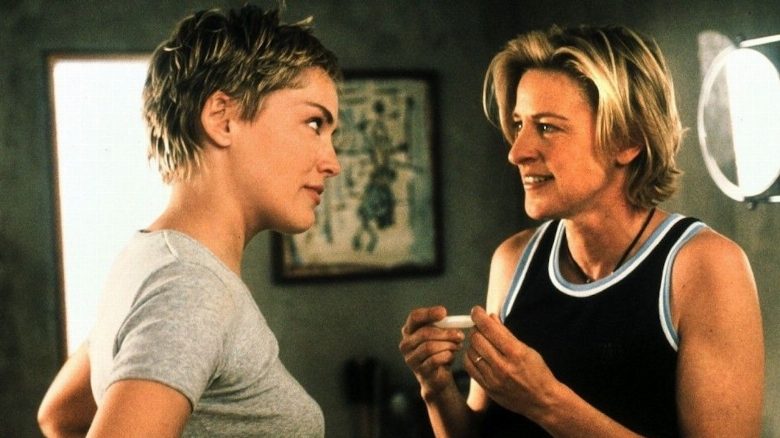
The stories of three lesbian couples -- who live in the same house at different periods of time -- who are at a crossroads in their lives. In 1961, Edith loses her lover, Abby, to a stroke. Linda and Amy struggle with feminist issues in 1972. And, in 2000, Kal and Fran try to have a baby with the help of sperm donor.
Spanning the shifting landscape of twentieth-century domesticity, this anthology film serves as a poignant time capsule of the queer experience through the lens of a single residential property. By anchoring three distinct narratives to the same physical location, the storytelling highlights how the walls of a home bear witness to the evolving social climate and personal milestones of the women who occupy them. While the Indian film industry has only recently begun to explore more nuanced LGBTQ+ narratives in mainstream cinema, this classic project from the year 2000 remains a seminal reference point for international audiences interested in how filmmakers translate the evolution of intimacy and civil rights into compelling, character-driven drama.
The structure is particularly effective because it allows the audience to observe the gradual erosion of silence surrounding same-sex relationships. The 1961 segment captures the devastating grief and invisibility inherent in an era of enforced secrecy, while the 1972 chapter pulses with the energy of the feminist movement and the internal friction of defining one's identity within a changing political tide. By the time the narrative reaches the turn of the millennium, the focus shifts toward the universal quest for family building and the legal complexities of parenthood. This progression creates a rich tapestry that feels both specific to the American experience and resonant with global themes of belonging and legacy.
Viewers who appreciate the patient, actor-focused storytelling found in prestige dramas will find much to admire here. The caliber of the ensemble cast, including Vanessa Redgrave and Michelle Williams, ensures that each era feels lived-in and emotionally authentic. For fans of Indian cinema who enjoy the recent trend of sensitive, socially conscious storytelling seen in works from directors like Onir or those exploring regional queer identities, this film offers an insightful look at how to balance historical gravity with individual human desire. It is a must-watch for those who enjoy anthology formats that prioritize thematic depth over spectacle, providing a masterclass in how environment and time can shape the way we love and define our families. Whether you are a student of queer cinema history or simply a fan of high-quality period drama, the film stands as a testament to the resilience of the human spirit across different generations.
Cast(28)