
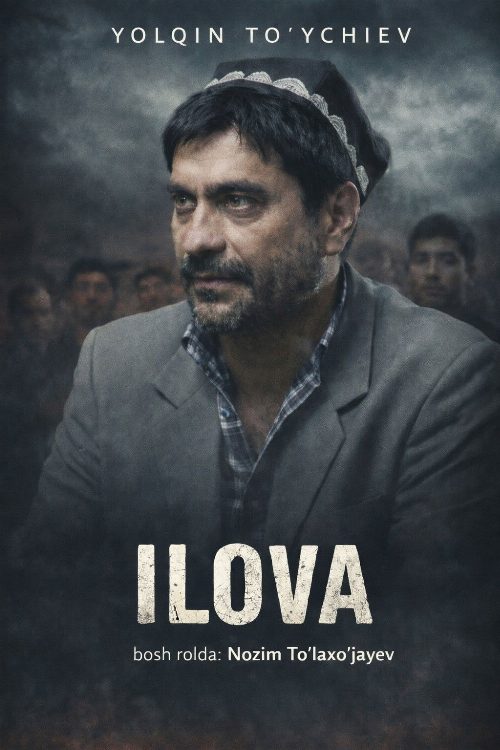
Ilova(2010)
About Ilova
Stepping away from the high-octane spectacles currently dominating global box offices, Ilova offers a meditative look into the human condition that feels both specific to its Uzbek roots and universally resonant. Released in 2010, the film operates within a niche of Central Asian cinema that often prioritizes atmospheric storytelling and character-driven stakes over the rapid-fire editing styles favored by modern commercial industries. For audiences accustomed to the vibrant, high-energy song-and-dance sequences synonymous with Indian cinema or the sleek production design of contemporary thrillers, this project serves as a compelling shift in pace. It invites the viewer into a slower, more deliberate exploration of social dynamics, proving that even a decade later, the narrative weight of regional dramas remains a significant pillar of world film history.
The strength of Ilova lies in its ensemble cast, which anchors the film in a grounded, authentic reality. The presence of seasoned performers like Nazim Tulakhodzhayev and Aziza Begmatova provides the production with a level of gravitas that keeps the viewer engaged despite the deliberate lack of artificial flash. By focusing on the nuances of interpersonal relationships and the quiet struggles inherent in everyday life, the film manages to bridge the gap between local cultural concerns and broader existential inquiries. It is clearly designed for those who appreciate the quiet intensity of arthouse dramas, particularly fans of international cinema who enjoy dissecting the motivations of complex characters rather than relying on the traditional hero-villain tropes seen in mainstream genre fare.
Looking back, the film serves as a testament to the enduring talent within the Uzbek film landscape during a period of transition. While the industry is often overshadowed in international discourse by the massive reach of the Telugu or Hindi markets, titles like this demonstrate that regional stories possess a unique ability to capture the zeitgeist of their specific time and place. Whether you are a dedicated student of global film trends or simply a casual viewer seeking a story that avoids the trap of predictable plot beats, this work offers a refreshing perspective. It remains an essential watch for anyone who believes that the most compelling dramas are those that find profundity in the ordinary, proving that great cinema does not always need a massive budget to leave a lasting impression on the audience.