
In Love and War(1987)
About In Love and War
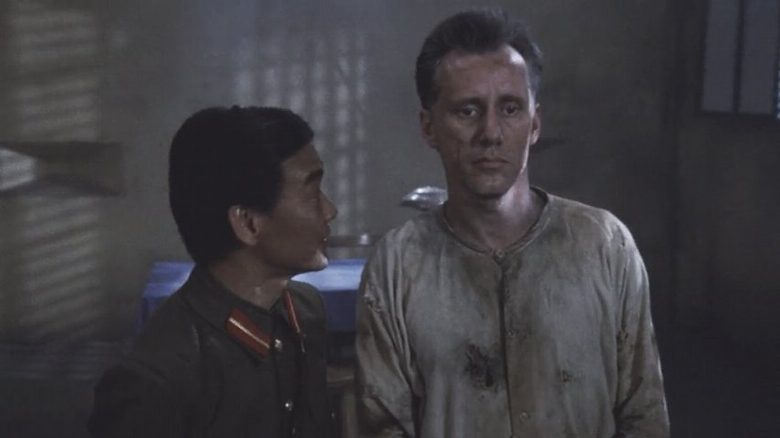
This movie is an account of US Navy Commander James Stockdale's 8 year imprisonment in North Vietnam. During his confinement in such camps as the infamous "Hanoi Hilton", Stockdale, among other senior officers, led a resistance group against the North Vietnamese, facing torture, isolation, and starvation in attempts to break their wills. Back in the US, Stockdale's wife, Sybil, begins working with other POW wives to try to get information on their husbands and to inform the world on their treatment.
The harrowing reality of the Vietnam War often finds its most compelling expression not on the grand battlefield, but within the domestic and psychological spaces where families are torn apart by geopolitical strife. In Love and War arrives as a poignant exploration of resilience, focusing on the harrowing captivity of James Stockdale and the tireless advocacy of his wife, Sybil. While many war films prioritize the visceral experience of combat, this production shifts the lens toward the endurance of the human spirit behind enemy lines and the quiet, persistent activism required on the home front. It serves as a stark reminder of the sacrifices made by those who wait, offering a deeply intimate look at the emotional toll of global conflict on the nuclear family.
For viewers who appreciate the nuanced character studies found in contemporary Indian cinema, such as the period dramas that often examine the intersection of political upheaval and individual identity, this film offers a similar structural focus. The narrative thrives on the contrast between the brutal, claustrophobic conditions of the Hanoi Hilton and the frantic, determined efforts of the POW wives to break the silence surrounding their missing partners. James Woods delivers a performance characterized by intellectual grit, perfectly capturing the internal struggle of a leader tasked with maintaining order in an environment designed to dismantle it. Jane Alexander serves as the emotional anchor, portraying a woman who transforms her private grief into a public movement, a trope that resonates deeply with audiences who value stories of societal defiance and personal strength.
Director Paul Aaron approaches the material with a restraint that allows the gravity of the events to speak for itself, avoiding unnecessary melodrama in favor of a procedural clarity. This film is highly recommended for enthusiasts of historical biopics and those interested in the psychological dimensions of military service. It avoids the traditional traps of jingoistic warfare tropes, choosing instead to focus on the power dynamics between captors and the defiant resilience of the incarcerated. By bridging the gap between the battlefield and the suburban living room, the story highlights the universal themes of loyalty and courage. It remains a significant piece of television cinema, particularly for those who admire the evolution of the biographical drama and its ability to humanize figures who are often reduced to mere headlines in the annals of modern history.
Cast(25)