Industrial Symphony No. 1: The Dream of the Brokenhearted(1990)
About Industrial Symphony No. 1: The Dream of the Brokenhearted
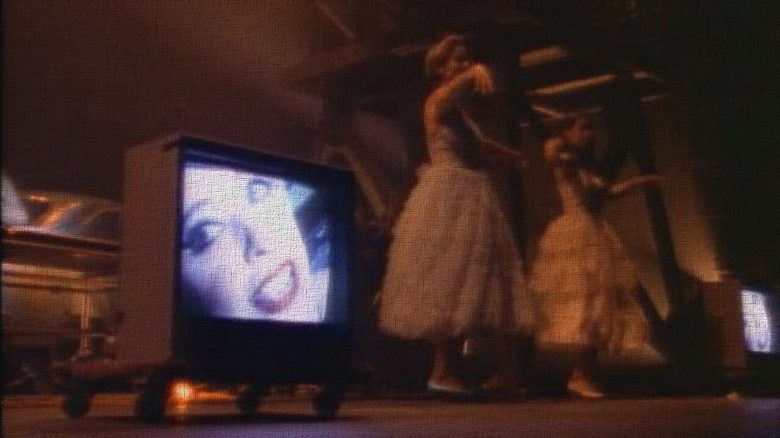
After her boyfriend ends their relationship, the dreamself of a heartbroken woman floats through the air over an industrial wasteland singing ballads of love.
Emerging from the experimental landscape of the early nineties, Industrial Symphony No. 1 serves as a haunting bridge between avant-garde performance art and the surrealist storytelling that would eventually define David Lynch’s cinematic legacy. While many viewers today associate the director primarily with mainstream neo-noir or psychological thrillers, this specific project captures a raw, theatrical energy that feels distinct from his feature filmography. By centering the narrative on a woman navigating the wreckage of a dissolved romance within an evocative, mechanical purgatory, the film functions less like a traditional drama and more like a visceral, audio-visual tone poem. It eschews standard linear progression in favor of a dreamlike atmosphere, utilizing industrial iconography to mirror the internal devastation of its protagonist.
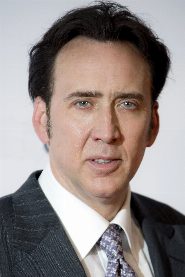
The inclusion of Laura Dern and Nicolas Cage adds a fascinating layer of star power to a work that otherwise leans heavily into the abstract. For those familiar with the history of American independent cinema, seeing these performers engage with such a stylized, stage-bound environment is a testament to their willingness to inhabit unconventional spaces. The film occupies a niche corner of cultural history, standing as a precursor to the moody, music-driven narratives that have become increasingly popular in today's global indie circuit. Much like the bold, genre-bending experiments currently emerging from the Malayalam and Tamil industries, this piece prioritizes mood and sensory experience over a rigid plot, making it an essential watch for cinephiles who appreciate bold artistic risks.
Audiences who gravitate toward the hypnotic, melancholic soundtracks of Angelo Badalamenti or the surrealist sensibilities of classic art-house cinema will likely find this production deeply resonant. It is a work for the patient viewer, one who is willing to trade narrative clarity for the chance to immerse themselves in a singular, brooding aesthetic. By stripping away the conventions of dialogue-heavy storytelling, the film invites the spectator to project their own emotions onto the desolate, metallic landscape. It remains a curious, evocative relic of its era, offering a glimpse into a time when experimental projects could command the presence of major Hollywood talent. Whether you are a long-time devotee of the director or simply curious about the intersection of music and visual art, the project stands as a singular, atmospheric meditation on the nature of longing that continues to hold a distinct place in the archives of non-traditional storytelling.
Cast(28)