About Irreversible
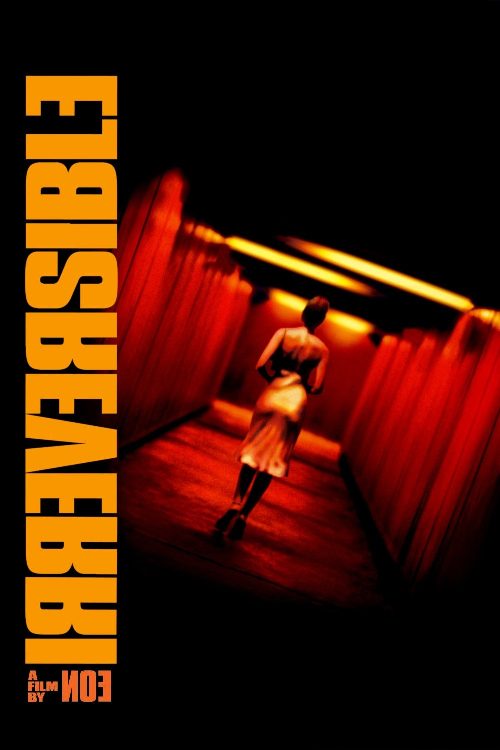
A woman’s lover and her ex-boyfriend take justice into their own hands after she becomes the victim of a rapist. Because some acts can’t be undone. Because man is an animal. Because the desire for vengeance is a natural impulse. Because most crimes remain unpunished.
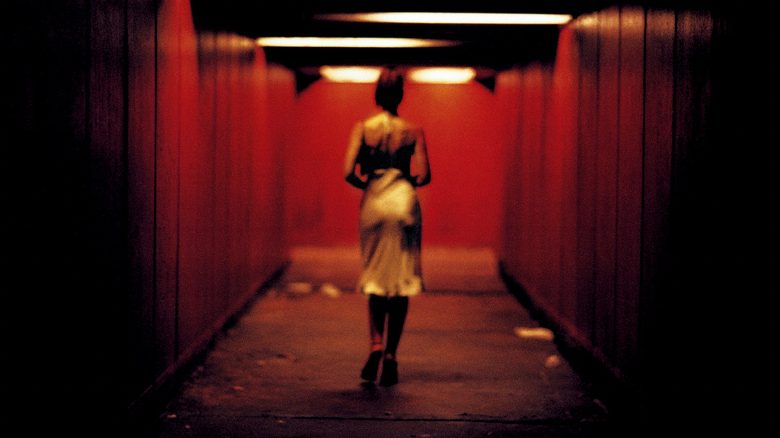
Few cinematic experiences challenge the viewer’s endurance quite like Gasper Noe’s 2002 visceral drama Irreversible. By structuring the narrative in reverse chronological order, the film forces the audience to witness the harrowing aftermath of a brutal tragedy before uncovering the inciting events that led to such chaos. This stylistic choice transforms a straightforward story of vengeance into a haunting meditation on the fragility of human existence, where the chronological unraveling reveals that even the most impulsive actions are tethered to irreversible consequences. While the French production is famously difficult to watch, its technical audacity—marked by long, disorienting takes and a pulsing, low-frequency sound design—solidified its status as a polarizing landmark of international psychological thrillers.
For followers of Indian cinema who appreciate the raw intensity found in the darker corners of Malayalam or Tamil neo-noir, this film offers a masterclass in how visual language can mirror internal trauma. Much like contemporary Indian filmmakers who push the boundaries of gritty realism, Noe rejects traditional polish in favor of a sensory assault that demands total immersion. Monica Bellucci delivers a performance defined by vulnerability and haunting presence, anchoring a narrative that is essentially a descent into primal instinct. It is a stark reminder that cinema can function as an inescapable mirror, reflecting the ugliest aspects of human nature back at the observer with unrelenting focus.
This film is specifically recommended for viewers who prioritize thematic depth and unconventional storytelling over comfort. It is not designed for casual consumption but rather for those who seek to understand the technical and emotional limits of the medium. Given its reputation for intense content, it serves as a litmus test for cinephiles interested in the history of transgressive European art-house cinema. By stripping away the safety nets of linear storytelling, the director forces us to confront a reality where time is a cruel constant, ensuring that every frame resonates with the weight of its own finality. Whether one finds it a profound artistic statement or an exercise in sheer provocation, the work remains an essential, albeit demanding, chapter in the global history of the crime thriller genre.
Cast(18)