
About Isle of Dogs
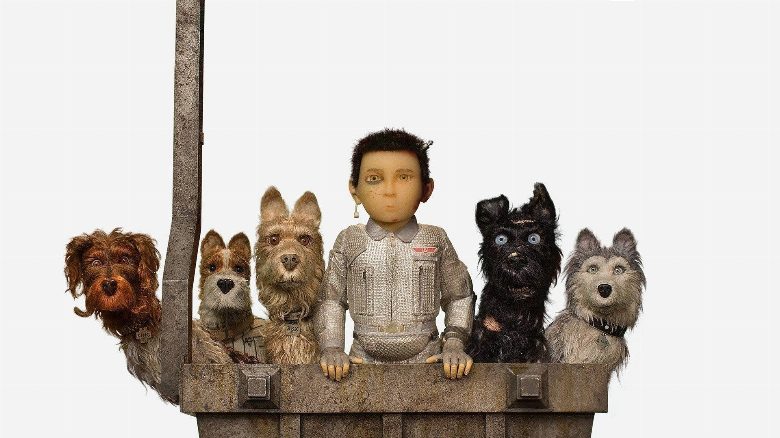
In the future, an outbreak of canine flu leads the mayor of a Japanese city to banish all dogs to an island used as a garbage dump. The outcasts must soon embark on an epic journey when a 12-year-old boy arrives on the island to find his beloved pet.
Wes Anderson returns to the meticulous world of stop motion animation with Isle of Dogs, a film that feels less like a traditional cartoon and more like a handcrafted diorama brought to vibrant, rhythmic life. Set against the backdrop of a fictional Japanese metropolis grappling with a canine health crisis, the narrative centers on an authoritarian executive order that exiles all domestic hounds to a desolate, trash-filled wasteland. While the premise carries the weight of political allegory, it is anchored by the earnest quest of a young boy searching for his lost companion. The visual language here is distinctly Andersonian, featuring symmetrical compositions and a color palette that emphasizes the gritty, industrial decay of the island contrasted with the soulful, expressive eyes of the canine protagonists. For audiences familiar with the evolving landscape of global animation, this work stands as a testament to the tactile charm of physical sets in an era increasingly dominated by digital polish.
The film occupies a unique space in contemporary cinema, bridging the gap between whimsical adventure and poignant social commentary. It manages to balance dry, deadpan humor with a genuine emotional core, making it an ideal choice for viewers who appreciate storytelling that respects the intelligence of its audience. By placing the narrative in a stylized version of Japan, the production leans into a rich aesthetic tradition that echoes the influence of classic woodblock prints and legendary local filmmakers. This synthesis of Western narrative structure and Eastern visual motifs creates a singular atmosphere that is both alien and deeply relatable. It is a cinematic journey that rewards those who enjoy paying close attention to background details, as every frame is dense with hidden visual gags and deliberate stylistic choices.
Fans of sophisticated animation will find much to admire in the technical execution of the project. The performances, delivered through a voice cast that captures the idiosyncratic cadence of the director’s dialogue, provide a human depth that grounds the absurdity of the situation. Whether you are a dedicated follower of Anderson’s filmography or simply looking for a story that deviates from the standard formulas found in modern multiplex releases, this film offers a refreshing alternative. It functions as both a celebration of the bond between humans and their animal counterparts and a cautionary tale about the dangers of unchecked populist rhetoric. As the characters navigate their harsh environment, they exemplify the resilience required to survive in a world that has deemed them obsolete, ensuring that the film leaves a lasting impression long after the final credits roll.
Cast(41)

















Crew
Screenplay
Casting
Producer
Executive Producer
Original Music Composer
Co-Producer
Supervising Film Editor
Post Production Supervisor
Story
Similar Films