About 'Itch
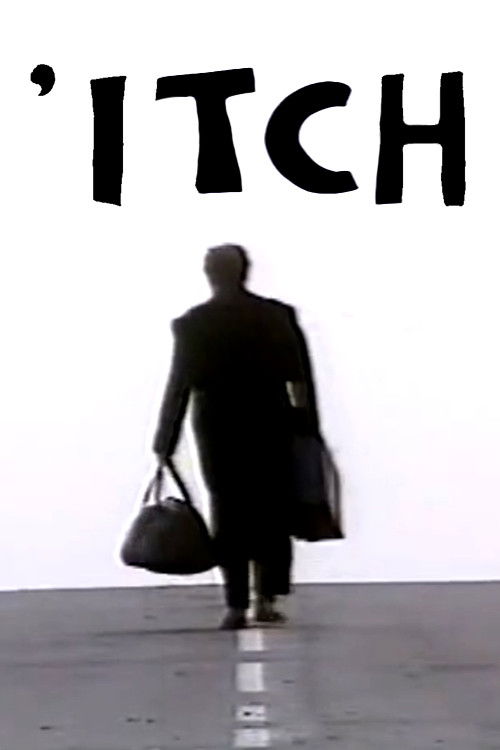
A lone hitch hiker, marooned near a housing estate, has a dramatic effect on the lives of those around him.
The desolate landscape of a sprawling housing estate serves as the unlikely theater for an unexpected intrusion of fate in the 1991 drama Itch. Directed by Beeban Kidron, this television feature captures a specific atmospheric tension often found in British social realist works of the nineties, where the arrival of a mysterious stranger acts as a catalyst for hidden tensions to boil over. By placing a solitary traveler in a space defined by its own insular rules and community dynamics, the film explores how a singular, disruptive force can peel back the layers of normalcy that residents work hard to maintain. Rather than relying on fast-paced action, the narrative prioritizes the psychological weight of its characters, transforming a simple encounter into an intricate study of human behavior under pressure.
This project remains a fascinating snapshot of Kidron’s earlier directorial output, showcasing her ability to draw out nuanced performances from an ensemble cast that includes Alexei Sayle and Malcolm Jackson. For viewers who appreciate character-driven stories that thrive on subtle unease rather than loud spectacle, this film provides a compelling look at the isolation often hidden behind the walls of dense residential architecture. It resonates with a somber, grounded energy that feels distinct from the glossier international productions of the era, rooting itself firmly in the realities of its setting. While it lacks the expansive scale of contemporary global cinema, its focus on the ripple effects of a single human connection makes it a noteworthy entry for those interested in the evolution of British television drama.
Audiences who enjoy introspective storytelling or works that examine the fragility of societal order will find plenty to analyze here. It is not merely a tale of a traveler passing through but an investigation into how people define themselves in relation to those who do not belong. By maintaining a sharp focus on the interactions between the hitchhiker and the locals, the film crafts a claustrophobic yet captivating experience that relies on dialogue and performance to drive its momentum. It stands as a testament to the power of minimalist filmmaking, where the absence of grand plot devices forces the audience to engage more deeply with the internal shifts occurring within the cast. For students of television history or fans of the gritty, character-focused dramas that defined that period of production, this title remains a quiet but significant piece of the puzzle.
Cast(13)