About Josh
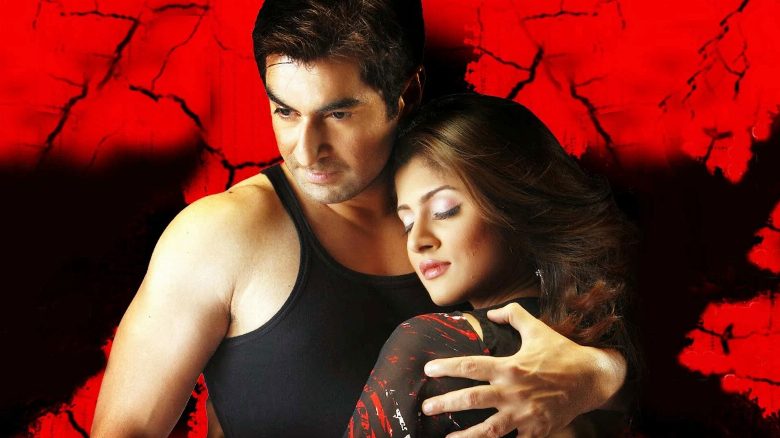
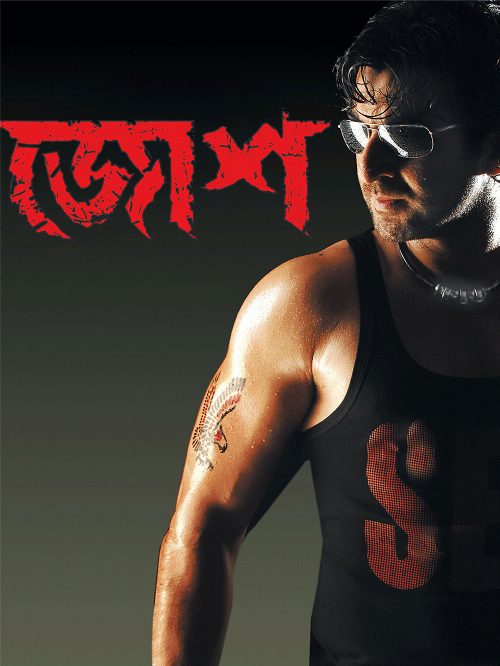
Indra attempts to rescue Anuradha, his best friend's sister, when she gets involved in an ongoing family feud, both of her brothers are killed and things take a turn for the worse.
The Bengali action landscape underwent a significant shift during the late two-thousands, a period defined by larger-than-life protagonists and the rise of the commercial potboiler as a dominant force in Tollywood. Josh stands as a quintessential artifact of this era, capturing the high-octane energy that defined the career of lead actor Jeet during his peak transition into a mass hero. Directed by Ravi Kinagi, a filmmaker known for his ability to translate the raw intensity of regional cinema into slick, audience-friendly spectacles, the film leans heavily into the tropes of loyalty, vendetta, and the protective instincts of a man caught in the crossfire of clashing lineages. It is a classic narrative of a protector stepping into a volatile situation, where the stakes escalate rapidly from interpersonal drama to the systematic dismantling of a rival faction.
At its core, the story explores the heavy price of ancestral enmity, focusing on a man who finds himself protecting a woman whose family is being systematically eradicated by forces beyond her control. While the plot follows a familiar trajectory of retribution often found in pan-Indian action cinema, what distinguishes this entry is the kinetic pacing and the chemistry between the primary cast members. By placing a vulnerable relative of a fallen companion at the center of the conflict, the film forces the protagonist to balance his personal code of honor against an increasingly dangerous environment. The inclusion of seasoned performers like Tapas Paul and Puneet Issar adds a layer of gravitas that grounds the more explosive sequences, ensuring that the emotional undercurrents remain as compelling as the physical confrontations.
Viewers who enjoy the high-stakes thrills of early millennium regional action will find much to appreciate in the stylistic choices made here. It is particularly well-suited for audiences who admire the traditional hero archetype, where the protagonist is less of a nuanced character and more of an unstoppable force of nature designed to restore order to a chaotic world. Ravi Kinagi utilizes the familiar beats of the genre to craft a viewing experience that prioritizes momentum, ensuring that the tension remains palpable from the initial inciting incident to the final act. For those interested in the evolution of Tollywood, this film serves as a vital case study in how the industry successfully balanced intense drama with the stylistic flair that contemporary fans of Indian cinema have come to expect from the quintessential masala flick.