About Jubilee
Queen Elizabeth I visits late 1970s England to find a depressing landscape where life has changed since her time.
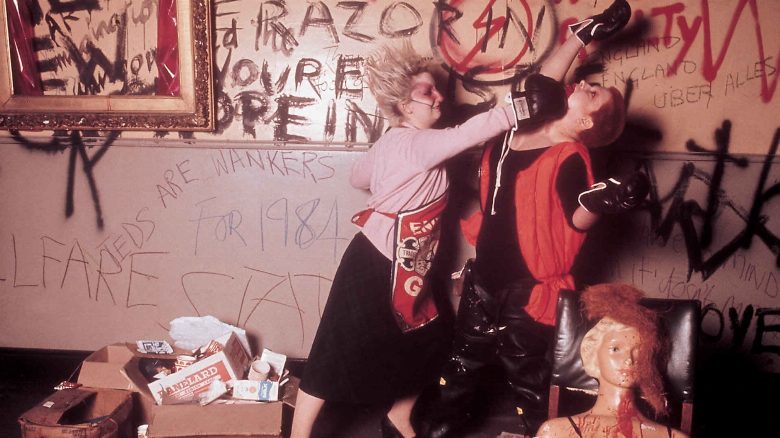
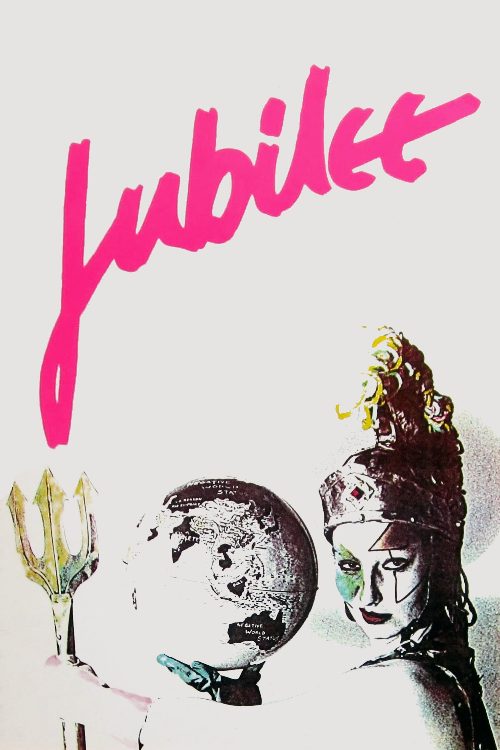
Derek Jarmans 1978 cult classic Jubilee stands as a singular, jagged monument to the volatility of the British punk movement. Rather than offering a standard historical period piece, the film operates as a surrealist time-travel experiment that drops Queen Elizabeth I into a decaying, nihilistic vision of modern London. By stripping away the romanticism usually associated with royal narratives, the director invites audiences to witness a collision between the rigid structures of the past and the explosive, anarchic energy of the late seventies. It is a visual manifesto that captures the grime and raw defiance of a generation disillusioned by the status quo, functioning more as a fever dream than a linear story.
The film resonates deeply with viewers who appreciate the intersection of cinema, music, and counterculture history. Much like the bold, experimental storytelling currently pushing boundaries in regional Indian cinema, Jubilee ignores traditional commercial constraints to prioritize a specific, atmospheric mood. It serves as an essential watch for those interested in the punk rock aesthetic and the ways in which film can document a seismic cultural shift. While modern audiences might find the gritty, low-budget texture jarring, it is exactly this raw quality that gives the work its enduring relevance. It effectively captures the feeling of a society in transition, echoing themes of systemic collapse that remain surprisingly resonant in contemporary storytelling across global industries.
As a piece of provocateur filmmaking, the project is characterized by its unapologetic performances and its rejection of mainstream sensibilities. Gene October and the ensemble cast inhabit a world where societal norms have completely disintegrated, providing a stark contrast to the regal presence of the monarch. For cinephiles who track the evolution of independent cinema, this title remains a vital point of study, illustrating how a director can repurpose historical icons to critique modern misery. It is positioned not as a comfortable entertainment option, but as a challenging, sensory-heavy experience meant to provoke thought and stimulate discomfort. Those who enjoy dark, satirical dramas that lean into the bizarre will likely find this vision of a dystopic England both fascinating and deeply haunting. By juxtaposing the prestige of the monarchy against the backdrop of urban decay, the film succeeds as a bold statement on the cyclical nature of power and the inevitable erosion of tradition.
Cast(35)







Crew
Costume Design
Production Design
Hairstylist
Editor
Assistant Director
Producer
Director of Photography
Writer
Sound Recordist
Similar Films