
About Keep Your Seats, Please
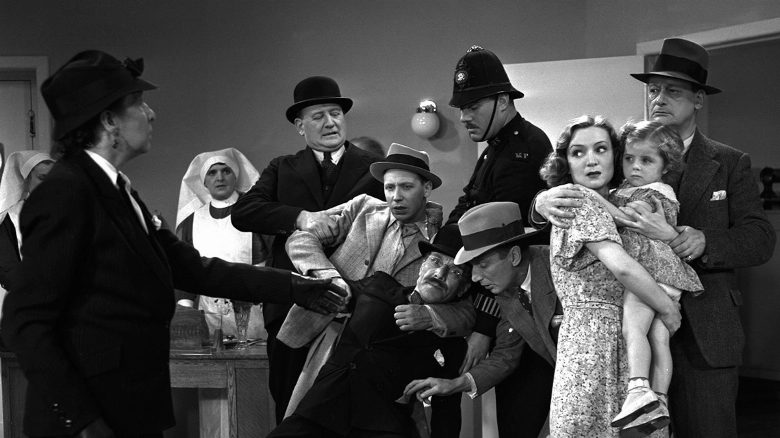
Despite being on his uppers, George is still prepared to pawn his beloved banjo in order to help his girlfriend save her niece from the orphanage. Help seems to be at hand when George is left a fortune by his old auntie, but unfortunately his inheritance is hidden inside a chair which has already been auctioned off! Can George and his chums track down his rightful due before his grasping solicitor (Alastair Sim, in an early film appearance) snatches the lot? It's hard to say, but he still finds time to perform both the title song and the classic 'When I'm Cleaning Windows'.
The mid-thirties marked a transitional period for British cinema, where the integration of musical numbers into narrative features became a signature charm for audiences looking for a reprieve from the economic anxieties of the era. Keep Your Seats, Please serves as a fascinating time capsule of this transition, anchored by the lighthearted screen presence of George Formby. While contemporary Indian cinema fans might be accustomed to the elaborate song and dance sequences that define the masala genre, this early English production showcases how music was similarly utilized to propel character development and maintain a jaunty, optimistic rhythm in the face of desperate circumstances. The premise centers on a man whose sudden windfall is accidentally sold away, turning a simple inheritance story into an urgent, comedic race against time that feels surprisingly modern in its frantic energy.
For viewers who enjoy the screwball energy found in classic regional comedies or the slapstick traditions that have influenced global cinema, this film offers a masterclass in low-stakes suspense. The narrative hinges on the pursuit of a misplaced chair, a classic MacGuffin that forces the protagonist to interact with a colorful array of characters. The inclusion of Alastair Sim, a legendary figure of the stage and screen, provides a sharp, sophisticated contrast to the more working-class appeal of the lead performer. This dynamic between the bumbling hero and the cunning antagonist remains a staple of comedic storytelling, highlighting why this specific brand of humor resonates across different cultural landscapes. It is a quintessential example of how directors like Monty Banks refined the art of blending music hall traditions with the evolving language of film.
This production is particularly noteworthy for anyone interested in the history of the musical-comedy hybrid, as it captures the raw, unpolished charisma of an era before high-budget spectacles dominated the screen. By focusing on the resilience of a man trying to protect his family interests, the film taps into universal themes of loyalty and the pursuit of security, regardless of the socio-economic setting. For modern audiences who appreciate the evolution of the underdog archetype, the journey of this banjo-playing protagonist offers a nostalgic yet genuinely engaging experience. It is a testament to the fact that whether you are watching a golden-age British film or a contemporary Telugu entertainer, the core appeal of a well-timed song and a high-stakes scavenger hunt remains an effective recipe for cinematic success.
Cast(12)