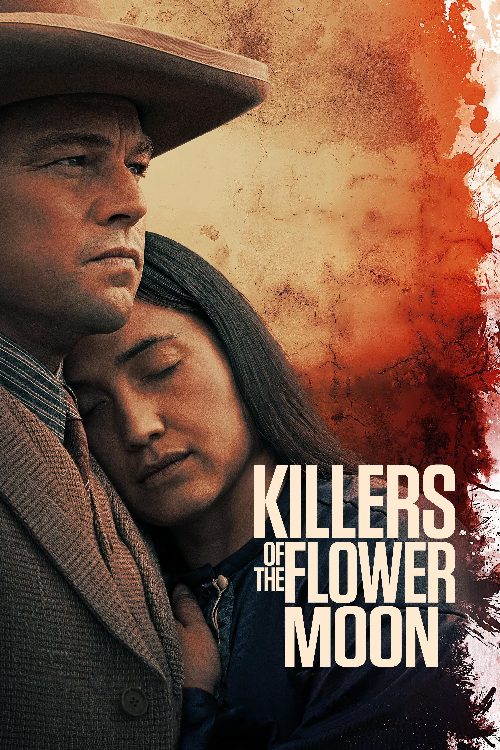
About Killers of the Flower Moon
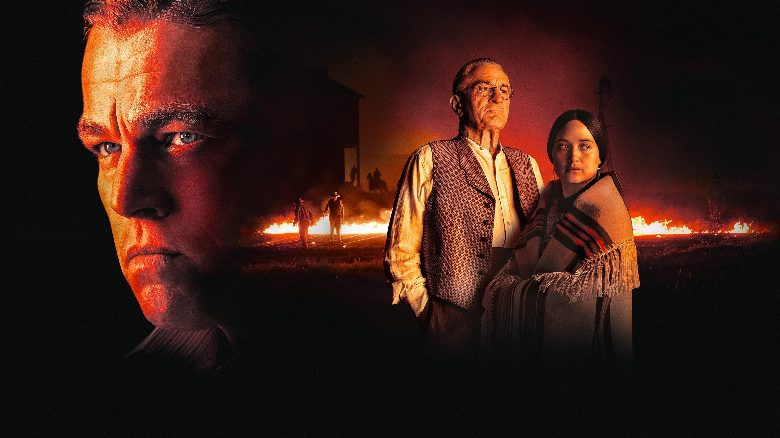
When oil is discovered in 1920s Oklahoma under Osage Nation land, the Osage people are murdered one by one—until the FBI steps in to unravel the mystery.
Martin Scorsese returns to the screen with a sprawling American epic that mirrors the grand, multi-generational storytelling often found in the most ambitious projects of the Indian film industry. Set against the backdrop of the 1920s, the film explores the harrowing exploitation of the Osage Nation after the discovery of vast oil wealth beneath their territory. While many international audiences associate crime dramas with fast-paced investigative thrills, this production functions as a slow-burn character study, prioritizing the psychological toll of systemic greed over traditional procedural tropes. It stands out in the current cinematic landscape by refusing to simplify the complexities of its historical setting, instead opting to dwell on the intimate betrayals that define its central relationships. For viewers accustomed to the emotional depth of high-stakes sagas in Telugu or Hindi cinema, this film offers a similar resonance, focusing on how communal identity and personal morality collide under the pressures of sudden, destructive prosperity.
The narrative architecture of this project rests heavily on the chemistry between Leonardo DiCaprio and Robert De Niro, both of whom deliver performances that prioritize nuanced manipulation rather than overt villainy. This approach will likely appeal to fans of character-driven dramas who appreciate a methodical pace and meticulous period detail. The film does not merely recount a series of crimes; it interrogates the complicity of the bystanders and the quiet erosion of trust within a community. By grounding its mystery in the lived experience of its subjects, the production avoids the cold detachment often found in standard historical accounts. It is a demanding watch that asks the audience to sit with the discomfort of its subject matter, a trait that aligns well with the modern trend of prestige dramas that challenge the viewer to look beyond the surface of a genre piece.
For those who enjoy cinema that feels both vast in scope and narrow in its psychological focus, this film serves as a masterclass in atmospheric storytelling. It is positioned as a significant entry in the canon of crime dramas, specifically for those who value long-form narratives that allow for deep immersion. While the historical context is rooted in the American Midwest, the underlying themes of land, legacy, and the corruption of human connection are universal. It is a film for the patient viewer, someone who finds satisfaction in the quiet intensity of a well-crafted scene rather than constant spectacle. By exploring such a dark chapter of history with such precision, the director invites us to consider how easily justice can be sidelined when profit becomes the primary motive for a society.
Cast(207)