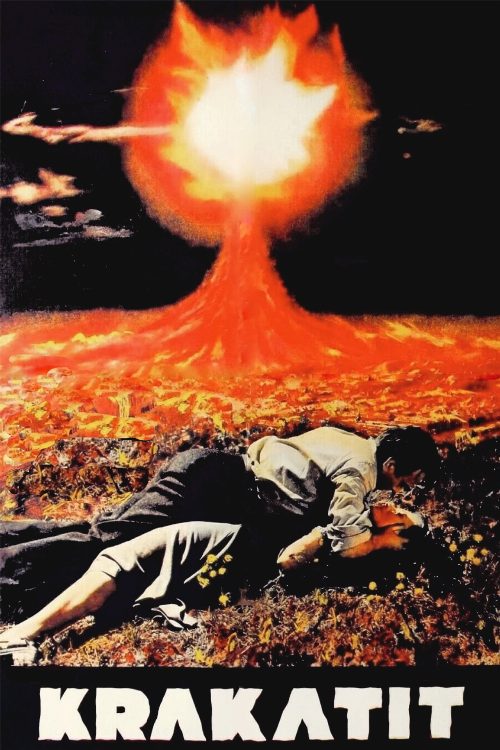
About Krakatit
In early 20th century Czechoslovakia, a gravely ill chemist recalls his discovery of a powerful explosive and how it landed in the hands of anarchists.
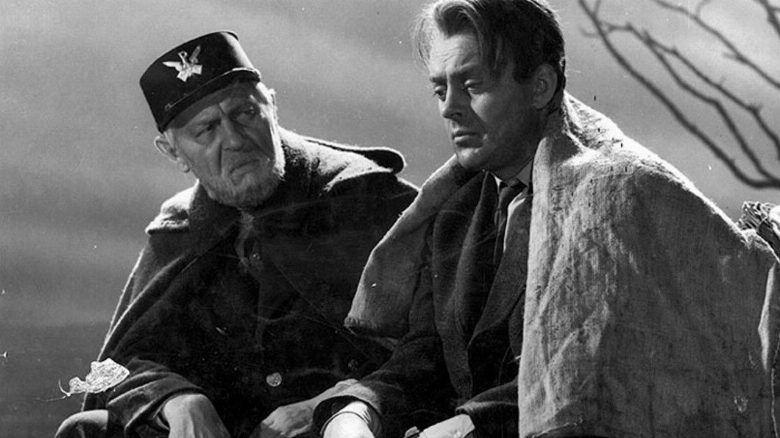
The shadow of the atomic age looms large over the 1948 Czechoslovakian masterpiece Krakatit, a film that captures the existential dread of a world standing on the precipice of self-destruction. While modern audiences often associate high-concept science fiction with the glitz of contemporary blockbusters, this early gem offers a hauntingly grounded perspective on the moral burden of scientific discovery. Director Otakar Vavra masterfully weaves a fever dream narrative that transcends its era, focusing on the internal psychological decay of a researcher who accidentally births an apocalyptic force. By prioritizing the protagonist's mental fragmentation over mere spectacle, the film positions itself as a precursor to the paranoid thrillers that would later define mid-century European cinema.
The story follows a brilliant scientist whose health is rapidly failing as he grapples with the fallout of his creation, a substance of unparalleled volatility. This narrative choice provides a fascinating contrast to current trends in Indian cinema, where large scale action often relies on physical manifestations of power rather than the quiet, crushing weight of ethical guilt. For viewers accustomed to the vibrant, high-energy storytelling found in Telugu or Hindi thrillers, Krakatit offers a starkly different, meditative experience. It strips away the artifice of heroic tropes to examine how technological breakthroughs can become tools for political extremists, a theme that remains chillingly relevant in today's global landscape. The film's atmosphere is thick with dread, utilizing shadow and stark visual framing to underscore the protagonist's isolation from a society that only values his invention for its destructive potential.
Fans of cerebral genre cinema will find much to admire in the way this film navigates the intersection of mystery and philosophical inquiry. It is essential viewing for anyone interested in the evolution of science fiction as a vehicle for social commentary rather than just escapist fantasy. The performances are notably restrained, relying on facial nuance and sharp dialogue to convey the gravity of a situation that threatens the very fabric of civilization. By avoiding the typical trappings of the genre, the film invites the audience to consider the personal cost of genius and the terrifying ease with which progress can be weaponized. It stands as a testament to the power of classic European filmmaking to challenge our perceptions of authority and the unintended consequences of human ambition. Even decades after its release, the film retains a sharp, intellectual edge that makes it a compelling watch for those who appreciate cinema that demands active engagement and reflection.
Cast(14)