About Král ozvěny
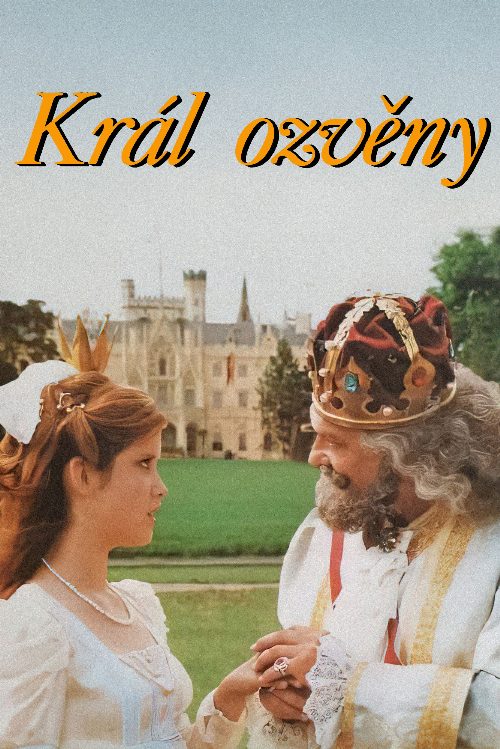
King Henry disapproves of the love between his daughter Doubravka and Thomas, the gardener and son of a friend who died for him in battle. He is convinced that Thomas cannot take over the kingdom because he is not of noble birth and, moreover, is too kind-hearted. And a ruler must be tough. The noble Prince Arthur of Nebesníže, who can also talk to echoes, would be a more suitable groom. Tomáš and the princess defend their love and each in their own way defy the king's will. Tomáš fights the prince of Nebesníže with echoes, and Doubravka runs away from the castle. If it weren't for the good flower fairy from the castle greenhouse, Anna's nanny, and the old gamekeeper, who knows how their young love would have ended.
Stepping into the enchanting landscape of Kral ozveny, one finds a classic Czech fairy tale that masterfully blends the whimsy of folklore with the timeless struggle between rigid tradition and youthful idealism. Released at the turn of the millennium, this film serves as a reminder of the enduring power of central European storytelling, where the lines between reality and enchantment are blurred with grace. While Indian audiences are accustomed to high-stakes family dramas and grand romantic epics from industries like Tollywood or Bollywood, this Czech production offers a distinctively intimate perspective on the archetype of the forbidden romance. It explores the tension between royal expectations and the genuine, unpretentious nature of a gardener who finds himself at odds with a king obsessed with the perceived necessity of heartless leadership.
The narrative stands out by weaving in the surreal element of communication through echoes, a creative device that elevates a standard tale of class conflict into something more mystical. Much like the regional folklore often celebrated in Malayalam or Tamil cinema, the film relies on the support of mystical figures, such as the greenhouse fairy, to protect the vulnerable protagonists from the king's cold ambition. The casting of Miroslav Hruska and Jana Bernaskova brings a grounded sincerity to these roles, ensuring that the stakes feel deeply personal rather than merely political. For viewers who appreciate the aesthetic charm of Eastern European fantasy, this film provides a refreshing change of pace from the typical blockbuster spectacle, focusing instead on the quiet bravery required to defy a parent’s narrow vision of the future.
Those who enjoy stories about underdog heroes who triumph through kindness rather than martial prowess will find much to admire here. The film operates as a bridge between generations, illustrating that true strength is often found in empathy rather than the armor of nobility. While it lacks the high-octane musical numbers prevalent in Indian mainstream hits, its pacing and thematic focus on the purity of intent make it a compelling watch for families. By positioning the gardener Thomas against the supposedly superior Prince Arthur, the film challenges the archaic notion that pedigree defines worth. It is a quintessential piece of regional cinema that highlights universal truths about loyalty and the courage to forge one's own path, proving that even in a story defined by magic, the most powerful force remains the strength of a promise made between two people.