
Kumo to Saru no Kazoku(2023)
About Kumo to Saru no Kazoku
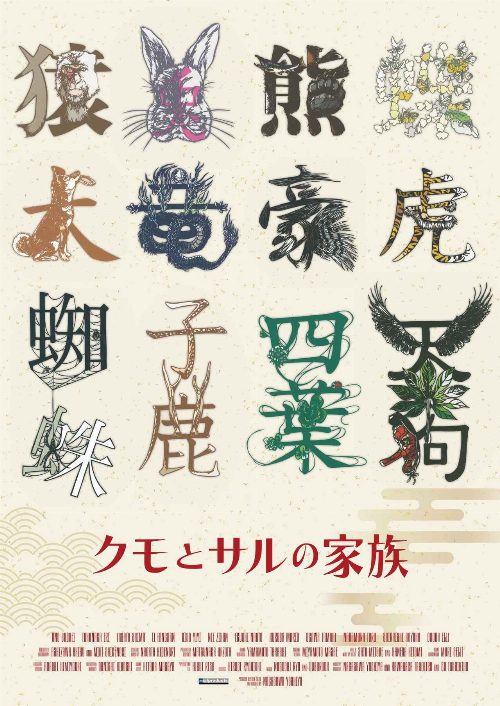
Early Edo period. A family lived in the woods within the neutral zone between the Tsubaki and Hino domains. The head of the household, Saru, was a former ninja. With the era now peaceful and his skills no longer needed, he stayed home as a househusband, protecting his family. He had always disliked bloody work and, during his active years, had primarily worked as a mediator in conflicts. His wife, Kumo, was a sought-after ninja hired by other domains. Her earnings, secured through intermediaries, were the family's lifeline. Their four children were: their youngest biological son, Usagi; Kumo's eldest daughter from a previous marriage, Chō; and the orphaned eldest son, Ryū, and second daughter, Gō.
Set against the backdrop of a tranquil Edo period, Kumo to Saru no Kazoku offers a refreshing subversion of the traditional samurai narrative by placing the domestic sphere at the center of the martial arts genre. While much of Japanese historical cinema fixates on the sweeping political maneuverings of shoguns or the adrenaline of battlefield clashes, this film turns its gaze toward the unconventional dynamics of a household existing in a precarious neutral zone. The story centers on a former operative who has swapped his blade for the quiet responsibilities of a househusband, while his wife continues to navigate the dangerous, clandestine world of espionage. This inversion of standard gender roles and professional expectations provides a compelling foundation, shifting the focus from grand battles to the intimate survival tactics of a blended family navigating societal shifts.
The film serves as a poignant exploration of how individuals find their footing when their specialized, often violent, skill sets become obsolete in a changing world. For audiences who appreciate the meticulous world building found in contemporary Indian period dramas or the character-driven intensity of Malayalam cinema, this production offers a similar level of immersion. It avoids the tired tropes of revenge-seeking warriors, choosing instead to examine the quiet tension of maintaining a normal life while harboring secrets that could ignite regional conflicts. The presence of seasoned performers like Toru Nakamura and Eiji Okuda lends a grounded, gravitas-filled weight to the proceedings, ensuring that the emotional stakes feel just as significant as the geopolitical ones.
Viewers who enjoy nuanced psychological dramas that prioritize atmosphere over relentless action will find much to admire in this deliberate, character-focused storytelling. It is an ideal watch for those fascinated by the intersection of familial duty and individual identity, particularly within the rigid constraints of a historical setting. By highlighting the emotional labor required to keep such a household intact, the film manages to bridge the gap between historical spectacle and relatable human experience. As the narrative progresses, the quiet life the couple has constructed faces inevitable challenges, forcing them to reconcile their hidden pasts with their present realities. It is a sophisticated addition to the period genre, proving that the most compelling conflicts are often those that occur behind closed doors rather than on the open field of combat.