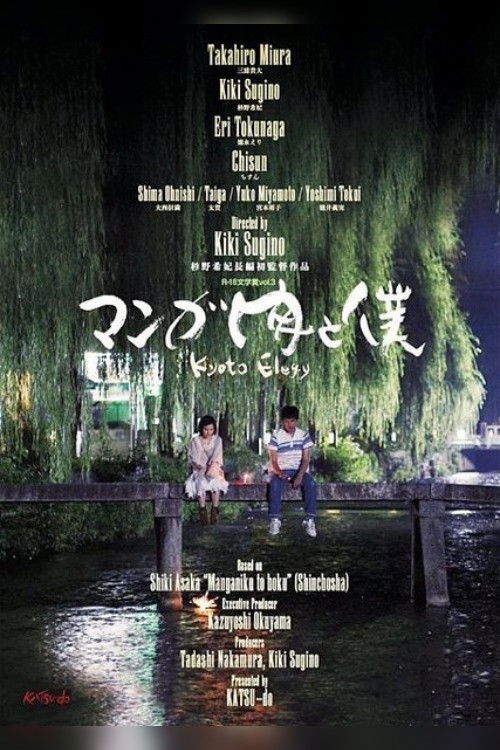
About Kyoto Elegy
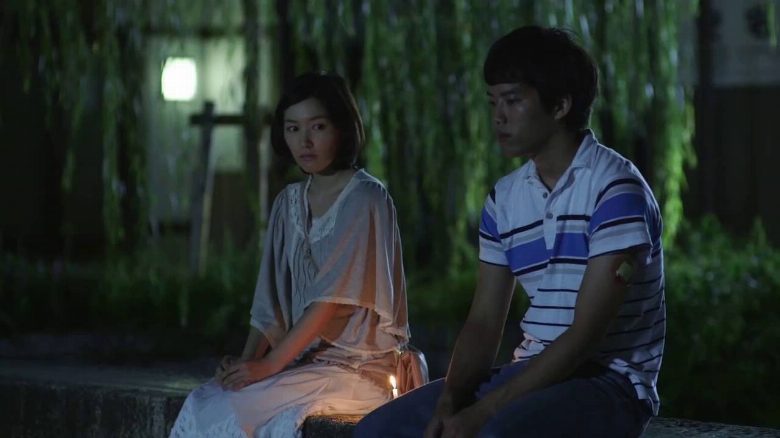
Kyoto in April. A timid and shy student, Watabe, is struggling to make friends and spending lonely days in a university. Concurrently, student life for Satomi Kumahori has also been hard, due to her overweight appearance. For Satomi, it is only Watabe who talks to her kindly and does not make fun of her. One day she takes advantage of Watabe and starts to live off him, literally like a parasite. While Satomi is using him as a slave, he falls in love with Nako, a girl he meets at work. At the same time, he accidentally learns about Satomi's past.
Against the backdrop of the ancient capital, Kyoto Elegy breathes fresh life into the familiar trope of the campus coming of age story by infusing it with a bizarre, almost fable-like quality. Rather than sticking to the standard beats of a Japanese university drama, director Kiki Sugino crafts a narrative that feels both intimate and unsettling. The film centers on the unlikely domestic arrangement between a reserved, socially awkward student named Watabe and a woman who effectively latches onto his life out of desperation. By avoiding the typical romantic comedy tropes that dominate international cinema, the film instead explores the fragile boundaries of codependency and the ways in which loneliness can warp human connection into something transactional.
For audiences who follow the nuances of contemporary Japanese independent cinema, this project serves as a compelling character study that prioritizes atmosphere over grand gestures. The aesthetic of Kyoto in the spring provides a stark contrast to the internal turmoil of the protagonists, framing their erratic behavior within a city known for its rigid traditions and serene beauty. Eri Tokunaga and Takahiro Miura deliver performances that navigate the difficult balance between pathetic and sympathetic, ensuring that the audience remains invested in their strange trajectory even when their choices become increasingly questionable. Fans of offbeat character dramas will find the film particularly rewarding, as it resists the urge to provide easy moral lessons or tidy resolutions for its troubled cast.
The film distinguishes itself by refusing to categorize its central relationship in traditional terms. Instead of focusing on the mechanics of a budding romance, it highlights the heavy emotional toll of isolation and the lengths to which people will go to feel seen, even if that visibility comes at the cost of their own agency. It resonates with a modern audience that is increasingly familiar with the anxieties of digital-age disconnect, despite the film being set in a more analog era of student life. By grounding the narrative in the mundane reality of part-time jobs and university hallways, the story achieves a grounded texture that makes its more eccentric plot developments feel surprisingly plausible. Those seeking a film that challenges the boundaries of empathy and explores the messy, non-linear progression of personal growth will find this a fascinating addition to the canon of introspective global comedies.
Cast(4)




Crew
Similar Films