Las Vegas Serial Killer(1986)
About Las Vegas Serial Killer
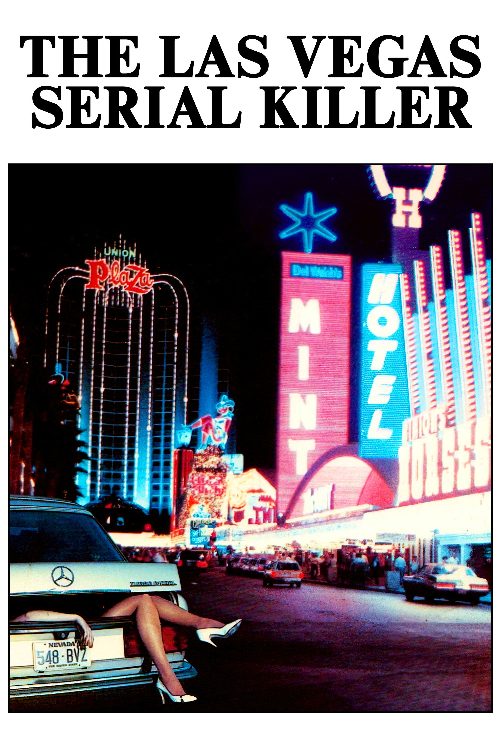
August 31, 1986: Dangerously unhinged serial killer Johnathan Glick gets released from the Nevada State Penitentiary on a technicality. Three days after his release Johnathan arrives in Las Vegas, Nevada. Naturally, Johnathan decides to embark on another murderous rampage that came to be known as "The Glitter Gulch Holocaust".
Ray Dennis Steckler remains a polarizing figure in the annals of low-budget American exploitation cinema, and his 1986 feature Las Vegas Serial Killer stands as a quintessential artifact of his unvarnished, gritty aesthetic. While contemporary Indian cinema often leans into polished production values and high-concept narratives, this particular production thrives on a raw, almost claustrophobic energy that defined the independent horror landscape of the eighties. The film centers on the chilling return of a man named Johnathan Glick, whose sudden freedom from incarceration sets off a wave of panic within the neon-soaked streets of Nevada. Rather than focusing on the psychological depth often found in modern thrillers, the narrative opts for a stark, relentless depiction of a predator stalking an urban playground, positioning the city itself as a chaotic backdrop for his unpredictable violence.
For audiences accustomed to the intricate storytelling found in modern Telugu or Hindi suspense dramas, this film offers a fascinating contrast in pacing and intention. It lacks the slick editing and grand musical scores that characterize current regional hits, instead relying on a grainy, handheld sensibility that makes the threat feel uncomfortably tactile. Viewers who appreciate the history of grindhouse cinema or the evolution of the slasher subgenre will likely find value in how Steckler frames the vulnerability of the public against an unstoppable force. It is not a film concerned with moral complexity or grand social commentary; rather, it functions as a visceral exploration of fear, stripped of the luxuries that define the big-budget horror cycles of today.
The casting of Suzee Slater and Ron Jason helps ground the proceedings in a recognizable, albeit heightened, version of reality that keeps the tension simmering throughout the runtime. Given Steckler’s reputation for defying traditional industry standards, the film serves as an intriguing case study for fans of outsider art who enjoy seeing how directors navigate extreme budgetary constraints to deliver a shocking experience. It is a work tailored for those who enjoy the unfiltered, rugged edges of eighties horror, where the lack of polish only serves to heighten the sense of unease. As a relic of American independent film, it provides a stark reminder of how regional landscapes can be transformed into icons of terror, a technique that remains a staple of suspense storytelling across the globe, from the bustling cities of India to the desert corridors of the American West.
Cast(8)