
About Life in a Tin
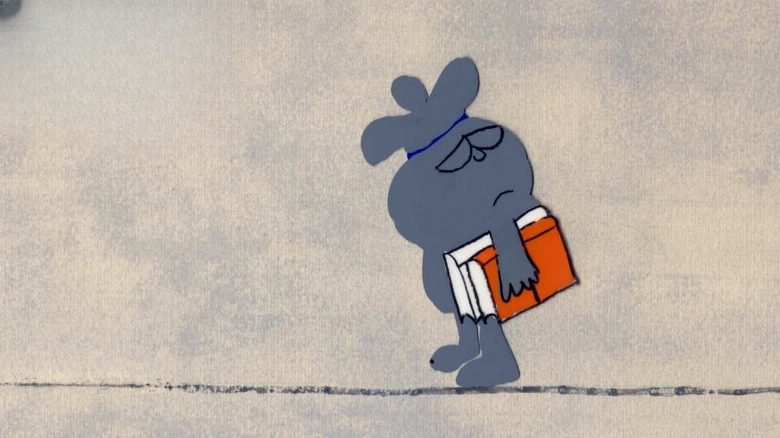
From being born until his death, a man spends most of his time "imprisoned" in boxes.
Bruno Bozzetto has long been recognized as a master of the satirical short, and Life in a Tin serves as a quintessential example of his ability to distill the human condition into a few minutes of sharp, hand-drawn irony. While contemporary audiences might associate animation with sprawling epics or high-budget studio spectacles, this 1967 Italian production reminds us that the medium is most potent when it functions as a mirror for societal anxieties. By tracing the arc of a life spent within confined spaces, Bozzetto creates a visual metaphor for the rigid structures of modern existence. It is a work that feels remarkably relevant to modern Indian viewers, who often grapple with the push and pull between traditional expectations and the growing pressures of urbanization. Much like the poignant storytelling found in recent acclaimed works from the Malayalam or Tamil industries that emphasize existential introspection, this film uses minimalism to make a profound statement about the loss of individuality.
The film operates as a biting critique of the cycles we accept as normal, portraying the lifespan of a person as a series of transitions between various containers. This cyclical nature of the protagonist’s journey will resonate deeply with fans of psychological cinema who appreciate narratives that eschew dialogue in favor of universal visual metaphors. Because the story avoids specific cultural markers, it transcends its European origins, speaking directly to anyone who has ever felt the weight of societal conformity. Bozzetto’s signature style, characterized by clean lines and an unflinching focus on the absurdity of daily routine, ensures that the message remains as resonant today as it was over five decades ago. It is an ideal watch for those who enjoy short-form storytelling that prioritizes conceptual depth over complex world-building.
Choosing to explore the constraints placed upon human potential, the film stands as a testament to the power of classic animation to function as philosophical inquiry. For those who track the history of global cinema, Bozzetto remains a pivotal figure whose influence can be seen in the works of many modern animators who utilize the craft for social commentary. Life in a Tin is not merely a nostalgic piece of history but a bracing look at how we define our own boundaries. It invites the audience to consider whether the boxes we inhabit are constructed by external forces or by our own willingness to settle into comfortable patterns. For viewers seeking a brief yet thought-provoking cinematic experience that challenges the status quo, this vintage gem offers an essential, timeless perspective on the fragility of personal freedom.