
About Lolita: Vibrator Torture
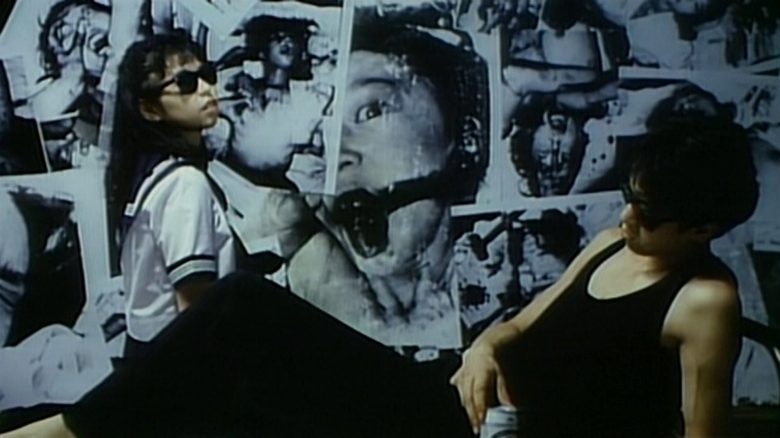
High school student Kozue spreads flyers in search of her missing classmate. A psychopath lures her to his place, where he imprisons her. The psychopath gets his kicks by raping his victims with a chrome vibrator, poisoning them then photographing them as they die. However, when Kozue doesn’t act like his typical victims they start up a strange and twisted relationship.
Hisayasu Sato has long occupied a singular space within the landscape of pink cinema, blending transgressive genre tropes with a clinical, almost detached exploration of human depravity. His 1987 work Lolita Vibrator Torture serves as a quintessential example of his ability to transform low-budget shock cinema into a disturbing study of power dynamics and psychological erosion. By moving away from the conventional slasher tropes of the era, the film positions itself as a dark character piece where the lines between captive and captor become increasingly blurred. It is a challenging watch that prioritizes atmospheric dread and the grotesque over simple thrills, reflecting the director’s signature penchant for exposing the rot beneath the surface of mundane Japanese life.
The narrative centers on a high school girl searching for a lost friend, only to fall into the clutches of a methodical sadist who treats his victims as subjects for his macabre photography. Yet, what distinguishes this entry from other exploitation films of the eighties is the unexpected shift in the central relationship. As the protagonist refuses to conform to the expectations of her tormentor, the dynamic transforms from a one-sided act of violence into a perverse, symbiotic entanglement. This narrative pivot is emblematic of the transgressive Japanese cinema of the period, which frequently used extreme scenarios to deconstruct social taboos and the inherent vulnerability of the individual when faced with absolute coercion.
For viewers who appreciate the history of extreme international cinema, this film offers a fascinating look at how budget constraints and genre mandates could be subverted by a visionary director. It is not a film for the faint of heart, as it leans heavily into its disturbing premise to explore themes of obsession and agency. Fans of the works of directors like Koji Wakamatsu or the darker fringes of the pink film movement will find much to analyze in the way Sato utilizes his limited environments to create a suffocating sense of claustrophobia. While it remains a niche artifact of its time, the film continues to be discussed by cinephiles for its uncompromising aesthetic and its refusal to offer the audience any sense of moral comfort. It stands as a stark reminder of a specific moment in global film history where directors pushed the boundaries of what could be depicted on screen, challenging spectators to look directly into the void of the human condition without blinking.